Drilling technology: Drill bit advances continue their relentless march forward
OLIVIA KABELL, Associate Editor
Amid fluctuating oil prices and operators’ continuing need for solid economics, drillers continue to rely on technology to boost efficiency, lower costs and maximize reserves. The last 12 to 18 months have seen continued evolution in oil and gas drill bit technologies, focusing on polycrystalline diamond compact (PDC) bits, hybrid designs, advanced materials, digital simulation, sensor integration, and durability enhancements for extreme conditions. Major players among the equipment manufacturers have driven these advancements through new products, simulations, and material upgrades.
Recent innovations continue to push the bounds of drill bit technology, with an emphasis on improved penetration rates, extended lifespan and greater integration with digital tools, to handle challenging formations like hard rock and shale. There have also been notable innovations in geothermal drilling, particularly with enhanced geothermal systems (EGS), through leveraging shale-era technologies for access to deeper, hotter resources with scalability, all while reducing costs.
What follows is a round-up of various categories of drilling bit innovations.
PDC BIT innovations
PDC (Polycrystalline Diamond Compact) bit innovations over the last 18 months (mid-2024 to early 2026) have focused on maximizing the Rate of Penetration (ROP) and extending tool life in increasingly harsh and complex drilling environments, particularly in shale and deepwater applications. Common characteristics of these recent innovations include:
Advanced cutter geometry and shapes; enhanced thermal stability and wear resistance; optimized hydraulic designs (bit cooling); increased structural durability and stability; digital integration and customization; and a focus on sustainability.
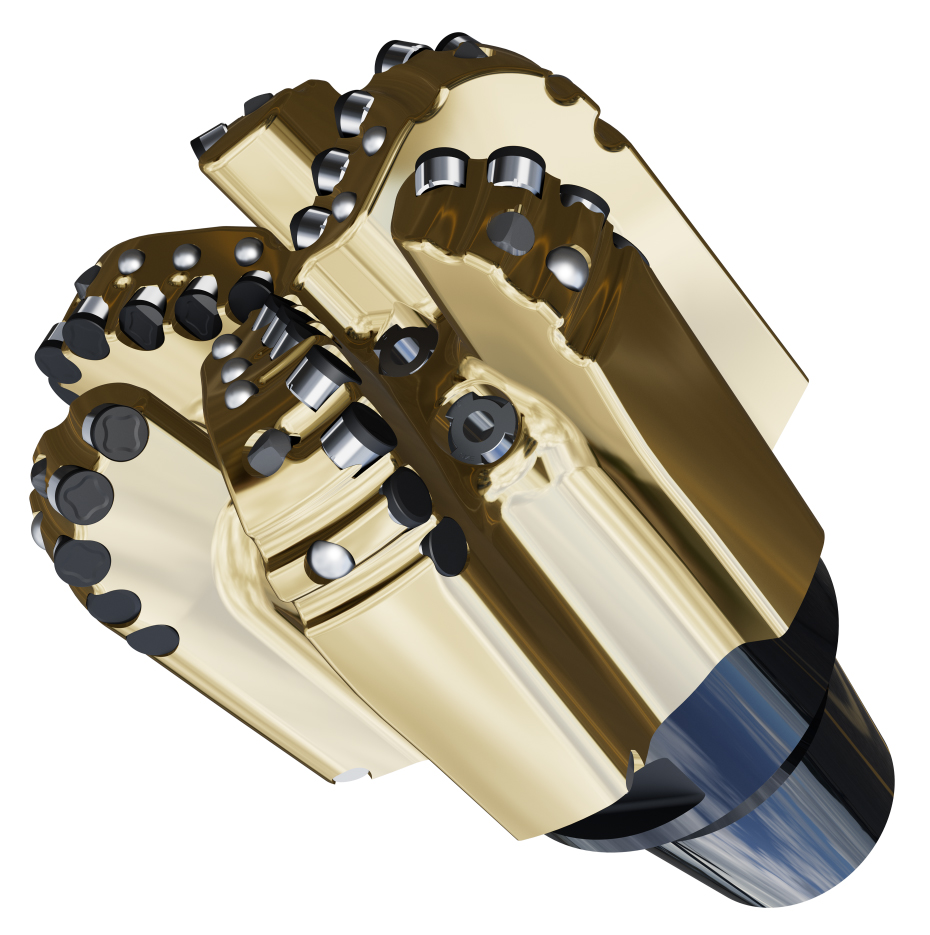
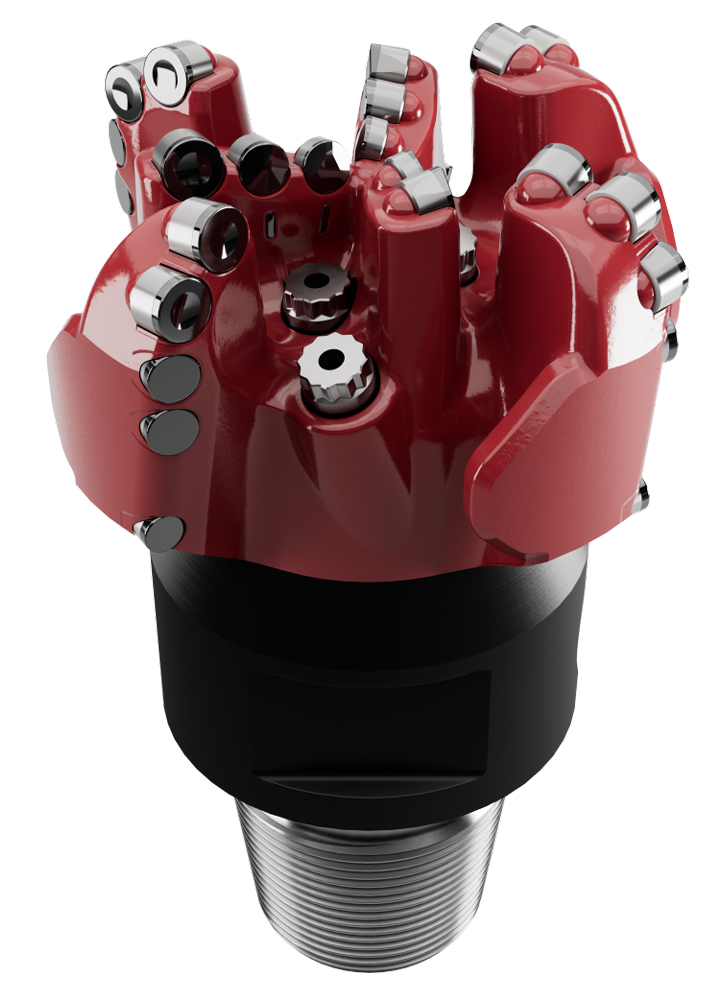
PermaFORCE Elite PDC Bits – Baker Hughes. The PermaFORCE™ line of drill bits was introduced by Baker Hughes in 2025. This line of drill bits boasts major performance leaps in rate of penetration (ROP) and durability, to ultimately reduce drilling costs. These bits are designed for challenging drilling environments with complex lithologies and directional profiles, as well as extended-length laterals, with a focus on an improved stability response, greater hydraulic efficiency, an expanded operating envelope, Fig. 1.
A variant, the PermaFORCE-TRU™ PDC drill bit (optimized for rotary steerable systems), was formally introduced and announced in early February 2026. This bit is optimized to deliver better drilling performance and protect a BHA. RSS-specific cutting structures enhance the rate of penetration (ROP) while minimizing damaging dynamics, such as high-frequency torsional oscillations (HFTOs).
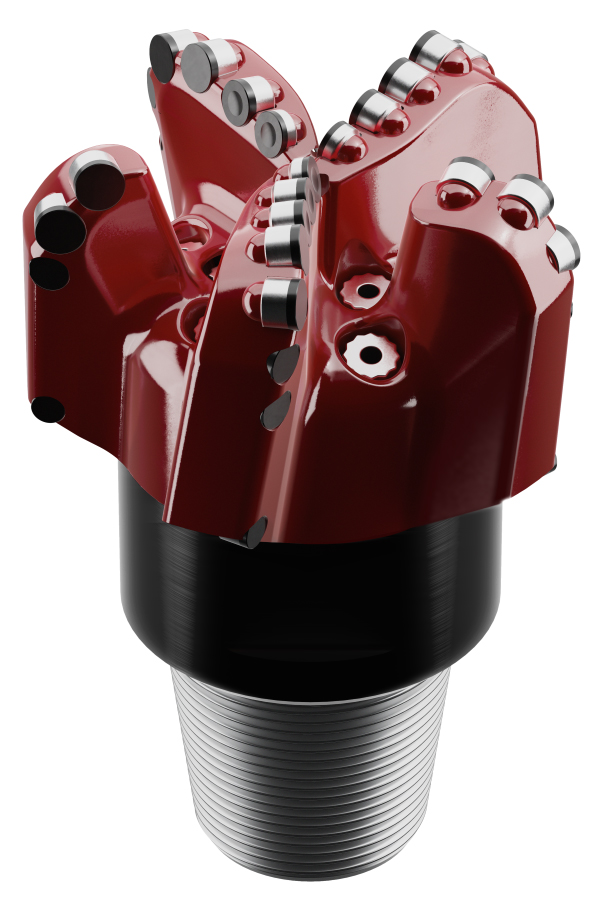
ION+™ Premium Drill Bit PDC cutters – NOV. NOV’s Ion+™ larger line of cutters offer operators several new advantages: maintaining sharpness longer, minimizing sliding time (down to a record-low 2.5% sliding in a 4-mile lateral) and record-breaking ROP in extended laterals of 2 to 4 m. These cutters are also designed to work in conjunction with NOV’s ReedHycalog Evolve platform, and they also leverage the company’s proprietary design software, Tektonic™, Fig. 2.
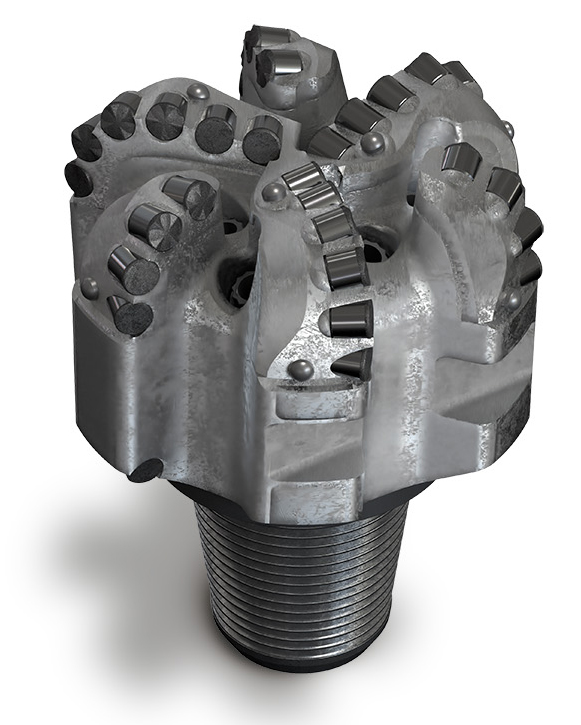
HyperSteer™ directional drill bits – Halliburton. HyperSteer™ is a new directional bit developed as a part of the company’s Hedron® line of fixed cutter drill bits, with the aim of providing maximum steerability during laterals. Meeting dogleg severity requirements is a key focus behind the design of the bit, with the goal of stability at higher ROP and minimized harmful shocks while during laterals. The HyperSteer™ boasts increased side cutting and higher build rates, thanks to its reduced makeup length, while the gauge length provides the necessary stability when ROP is increased, Fig. 3.
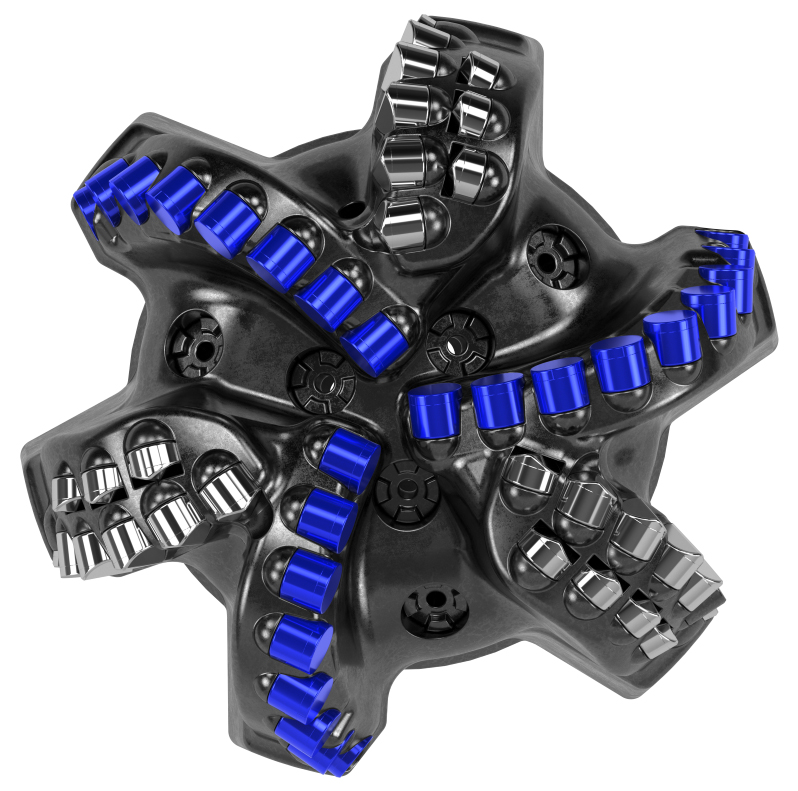
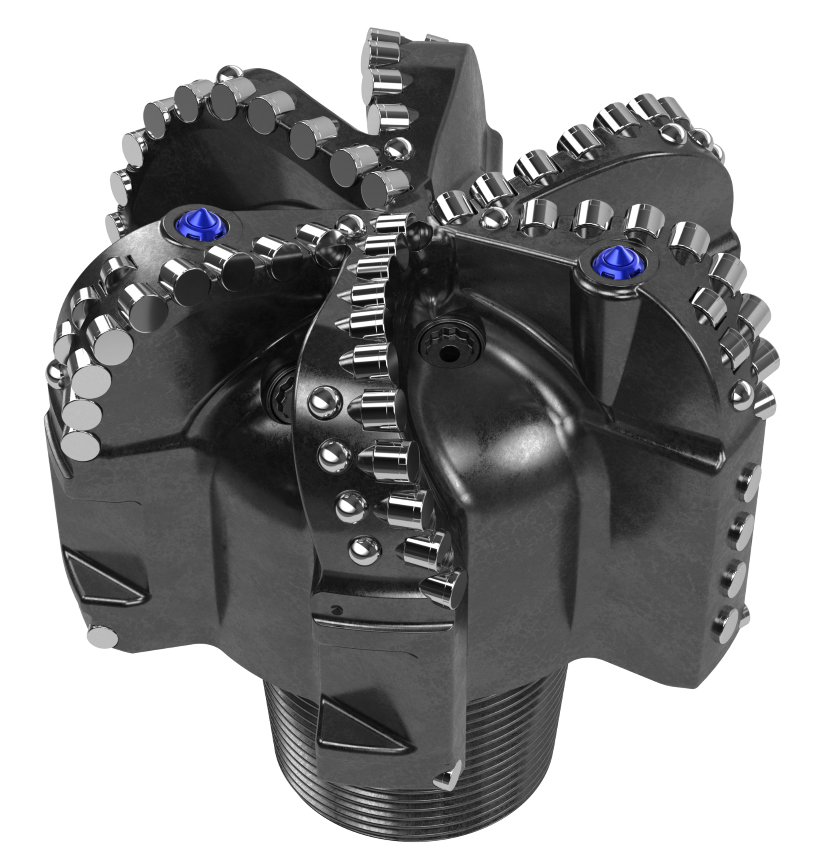
DualHelix™ multiformation performance bit – SLB. The DualHelix™ is a fixed-cutter bit that uses the geometry of its cutter placement to alter how cutters engage, according to depth of cut. This allows operators to leverage flexibility in both soft and hard rock without compromising durability. In addition, the bit’s body and blade shape offer hydraulic advantages that engage bit cleaning and cutter cooling in response to cutter loading. Finally, the bit is also independent of weight on bit (WOB), due to its cutter placement, which delivers unique performance advantages in varied formations and offers an ideal mix of blade architecture, placement and cutter technology, Fig. 4.
EnduroBlade 360™ - SLB. EnduroBlade 360™ is a rolling diamond element bit that was recently used in a North Sea case study with Harbour Energy. Abrasive lithology, shock, vibration and stick-slip conditions were among the many challenges causing premature bit wear. Switching to the EnduroBlade 360™ bit provided the wear resistance necessary to drill a challenging 13½-in section of hole in Brodgar field in a single run, cutting rig time by eight days and on-bottom drilling time by 77 hrs, compared with the previous drilled well, Fig. 5.
EVOS™ PDC Directional “Build” bits – Varel Energy. These PDC bits achieved records in 2025 in several Middle Eastern projects. These include the new (using the 12.25-in. EVOS-616), and the second-fastest run in Abu Dhabi (using the 16-in. EVOS-616 booster bit). The drill bit series was designed with directional drilling applications in mind, with building angle with responsiveness and consistency as a key focus. The EVOS series also features tremendous flexibility, supporting curved and lateral wellbores, any motor, and rotary steerable or high-speed application and support for varied lithologies. The bit technology is supported by the company’s DIG-IT™ analysis software for predictive component wear, further supporting bit lifespan management.
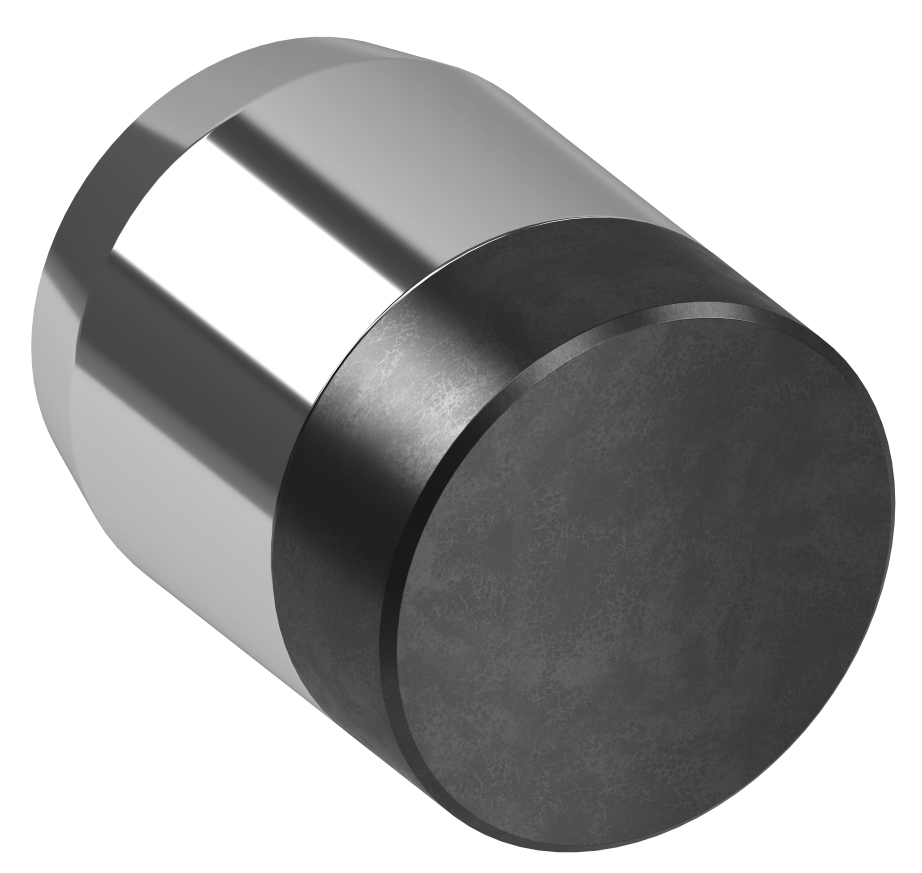
PDC bit collection – Ulterra Drilling Technologies. Through 2025, Ulterra broadened application of their latest Maverick© line of shaped cutter PDC bits that launched at the end of 2024. These bits, featuring fully shaped cutters, feature a boost in ROP, while uniquely shaped cutter pockets offer greater control over cutter orientation for operators. These drill bits were used for a record-speed, 3,300-ft deep intermediate in the Midland basin, where operators achieved 8% greater ROP, Fig. 6.
The company also announced manufacturing and repairing over 25,000 drill bits globally in its 2025 Year in Review, cementing its position in the market. The firm’s core proprietary drilling efficiency technologies— Split Blade©, RipSaw©, CounterForce©, Fastback™, AirRaid© and XP©—remain a popular choice for shale, directional and lateral well projects, Fig. 7.
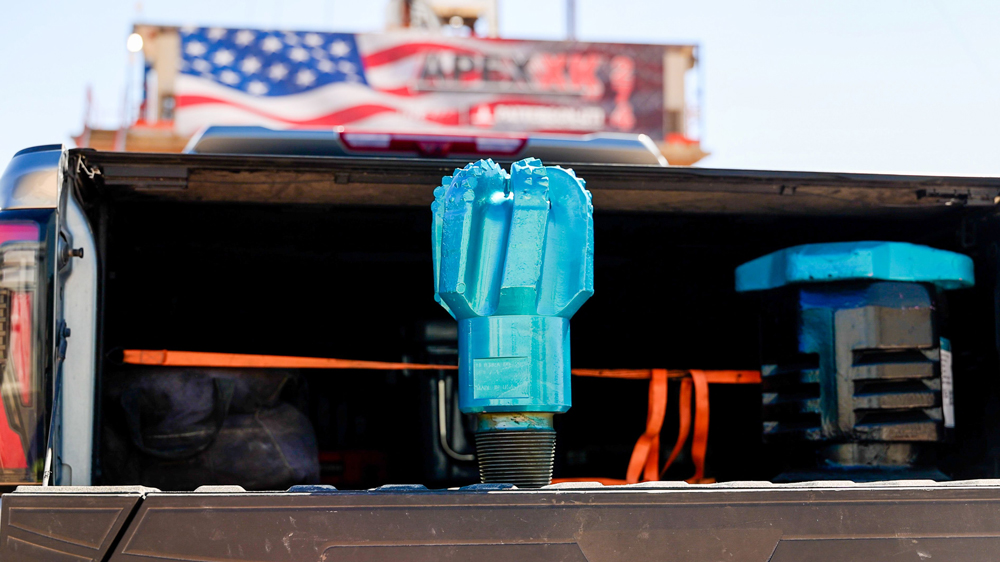
hybrid bit innovations
Recent hybrid drilling bit innovations focus on combining Polycrystalline Diamond Compact (PDC) cutters with roller cones for enhanced durability in hard, interbedded formations. Key advancements include optimized hydraulic designs to prevent bit balling, advanced simulation software for customization, and improved wear-resistant steel bodies that increase ROP and extend tool life, reducing costly trips.
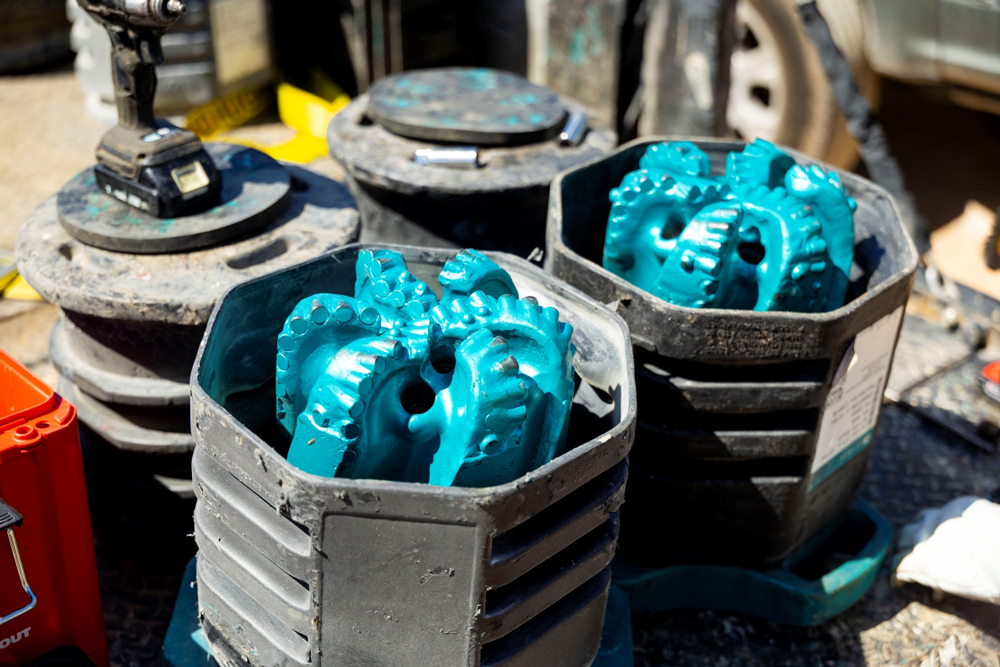
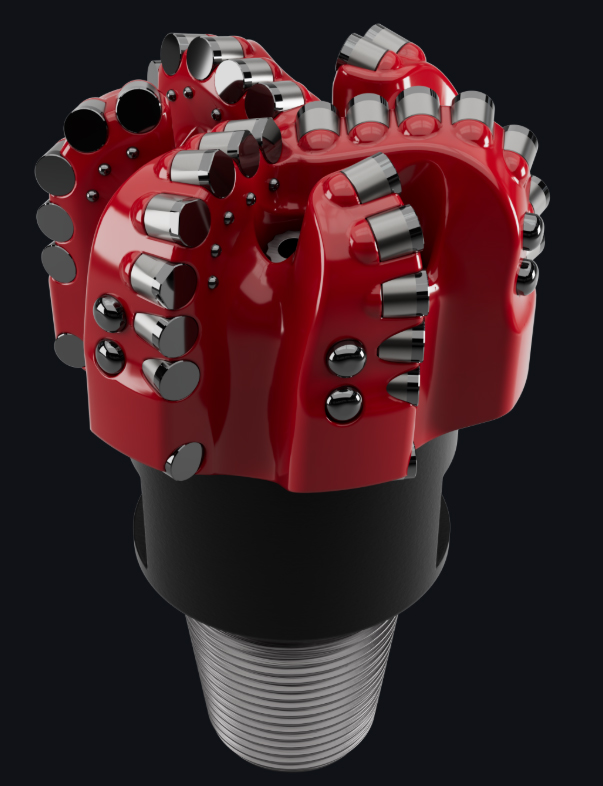
Kymera Mach 6 – Baker Hughes. The Kymera Mach 6 hybrid bit was introduced by Baker Hughes less than two years ago, Fig. 8. This bit is designed to optimize drilling performance in complex, interbedded, and hard rock formations, offering significant improvements in durability, efficiency, and stability over conventional PDC (polycrystalline diamond compact) and roller cone bits. A specific advantage offered is increased ROP and efficiency. A dual-cutting mechanism combines the crushing action of a roller cone with the shearing action of a PDC. This improves ROP and drilling efficiency in hard or interbedded formations. It features increased bit aggressiveness, compared to roller cone bits, without compromising smooth drilling, allowing for faster, more consistent drilling.
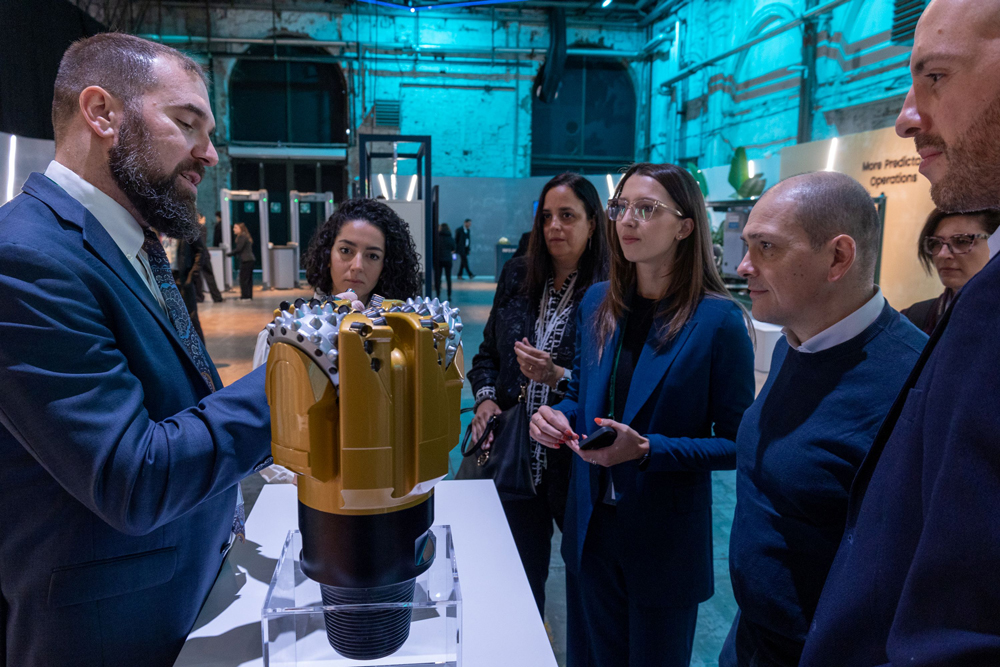
The Kymera Mach 6 in a case study demonstrated a 41% increase in ROP, compared to previous solutions, in Canadian oilfield applications. The hybrid bit has demonstrated enhanced durability and longer life, as well as better stability and directional control.
Axe TR triple-ridged diamond element—SLB. Introduced in 2025, the Axe TR is the latest evolution of the AxeBlade ridged diamond element bit family, Fig. 9. The technology has progressed through several generations to improve impact resistance and cutting efficiency. When the original AxeBlade bit was released, it featured the first "ridged" diamond element that combined the shearing action of a PDC bit with the crushing action of a roller cone. The Axe TR (Triple-Ridged) element was introduced, and specifically engineered, to address high-impact conditions. It reportedly provides a 15% increase in impact strength and up to 29% better cutting efficiency in carbonate formations, compared to earlier designs.
Launched in early 2025, this line uses ION+ shaped cutters and customized layouts to outperform incumbent hybrid drill bits in abrasive lateral sections.
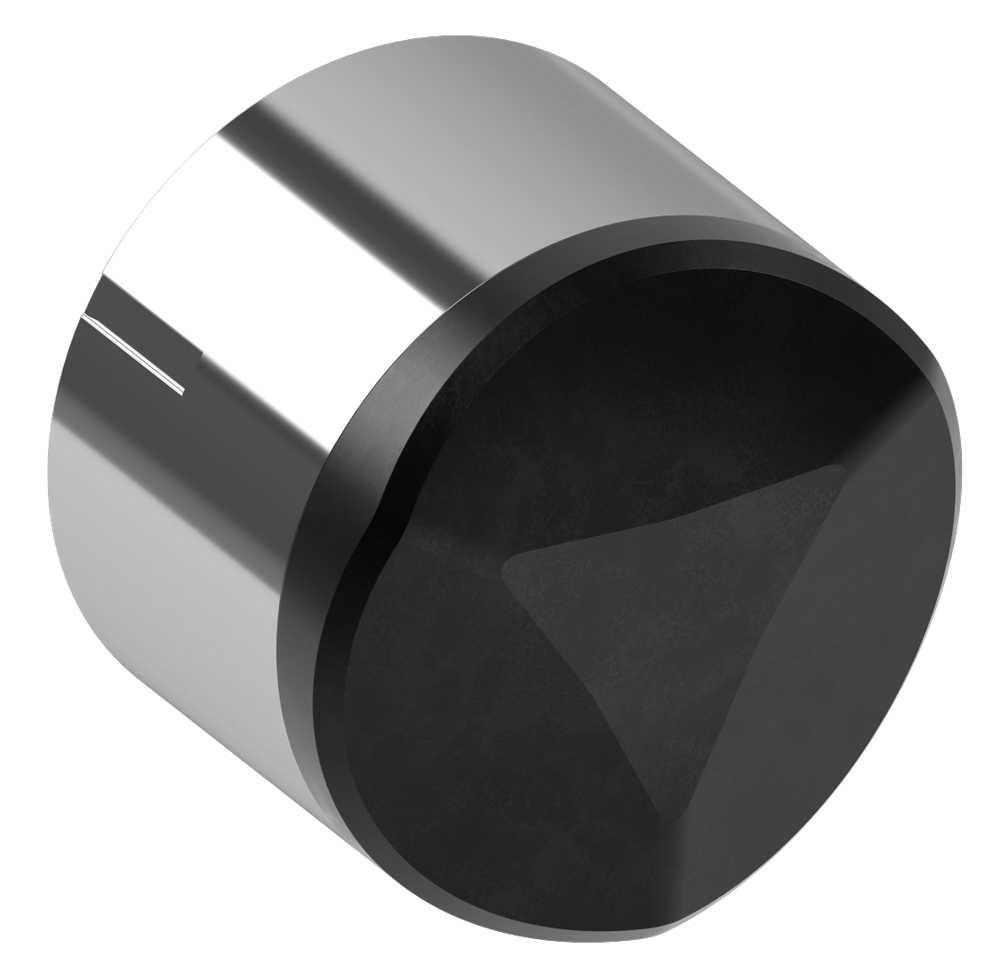
ReedHycalog Evolve platform – NOV. The company introduced the ReedHycalog Evolve performance product line in March 2025, to outperform incumbent hybrid drill bits in abrasive lateral sections. It is a premium, high-performance drill bit line designed to improve drilling efficiency and reduce nonproductive time (NPT) in challenging environments. These include deep geothermal, lateral shale, and complex formations. It literally combines 50 years of cutter technology, advanced materials science, and data analytics to optimize drilling
This includes the proprietary LynX™ custom blade architecture, specifically tailored for enhanced performance through transitional salt formations, Fig. 10. The company has paired this technology with their proprietary EagleEye™ cutter orientation—designed to improve tool face stability and ROP in lateral shale environments, Fig. 11. Together, the technologies make up part of NOV’s highly customizable bit technology suite, the ReedHycalog Evolve platform, aimed at providing drilling performance improvements across a wide range of applications.
digital integration innovations
Retina™ at-bit imaging – SLB. The trademarked Retina™ system is a first-of-its-kind imaging tool that allows operators high-resolution borehole images in previously unavailable intervals. It integrates sensors directly into a PDC drill bit to generate high-resolution, photorealistic borehole images at the point of contact. This technology enables identification of formation characteristics, allowing operators to optimize drilling efficiency, formation evaluation and safety. Unlike traditional imagers, the Retina system is not restricted by operational factors like drilling fluid type or wellbore damage, Fig. 12.
Neuro – SLB. Just over a year old, SLB’s Neuro autonomous geosteering system was introduced at the end of 2024. It dynamically responds to subsurface complexities to drill more efficient, higher-performing wells, while reducing the carbon footprint of the drilling operations. Using artificial intelligence (AI), Neuro geosteering integrates and interprets complex real-time subsurface information to autonomously guide the drill bit through the most productive layer or “sweet spot” of the reservoir, Fig. 13.
During conventional geosteering operations, geologists must manually interpret these data to identify a well target, update the well plan and trajectory, and communicate this to the directional driller. Neuro geosteering does all of these steps end-to-end, without any human intervention.
StabilisX – Baker Hughes. StabilisX™ is not so much software, but rather a proprietary shaped-cutter technology designed to enhance the durability and performance of Fixed Cutter PDC drill bits in interbedded or challenging formations. It features a secondary chamfer design that reduces spalling and cutter face chipping, leading to longer run life, reduced torque fluctuations, and improved borehole quality.
With a novel geometrical design and a secondary chamfer on the diamond face, StabilisX cutters withstand higher loads than PDC cutters. The company says they do it with lower risk of chipping, spalling and breakage. These features help extend bit life and provide an efficient cutting edge that reliably cuts through the hardest formations. And this is done at the same or higher ROPs as traditional cutters, Fig. 14.
3DTetrahedron – Baker Hughes. 3DTetrahedron is a proprietary, advanced engineering tool used to model, analyze and optimize the performance of drill bits—particularly hybrid and PDC bits—before they are manufactured or deployed in the field. It acts as a "digital twin" of the drilling environment, allowing engineers to simulate various downhole scenarios to maximize ROP, durability and stability.
geothermal drilling innovations
The Utah FORGE project. Ongoing work for the FORGE project in Utah had a chance to demonstrate significant gains in geothermal drilling rate of penetration (ROP) and bit life during 2025. In mid-2025, Fervo Energy partnered with the FORGE project to leverage substantial oil and gas experience and drilling equipment to drill a 15,000-ft borehole, where they encountered temperatures around 500 °F. Utilizing the company’s drill bit technology, the borehole was completed in 16 days and showcased part of a method that Fervo calls “enhanced geothermal.”
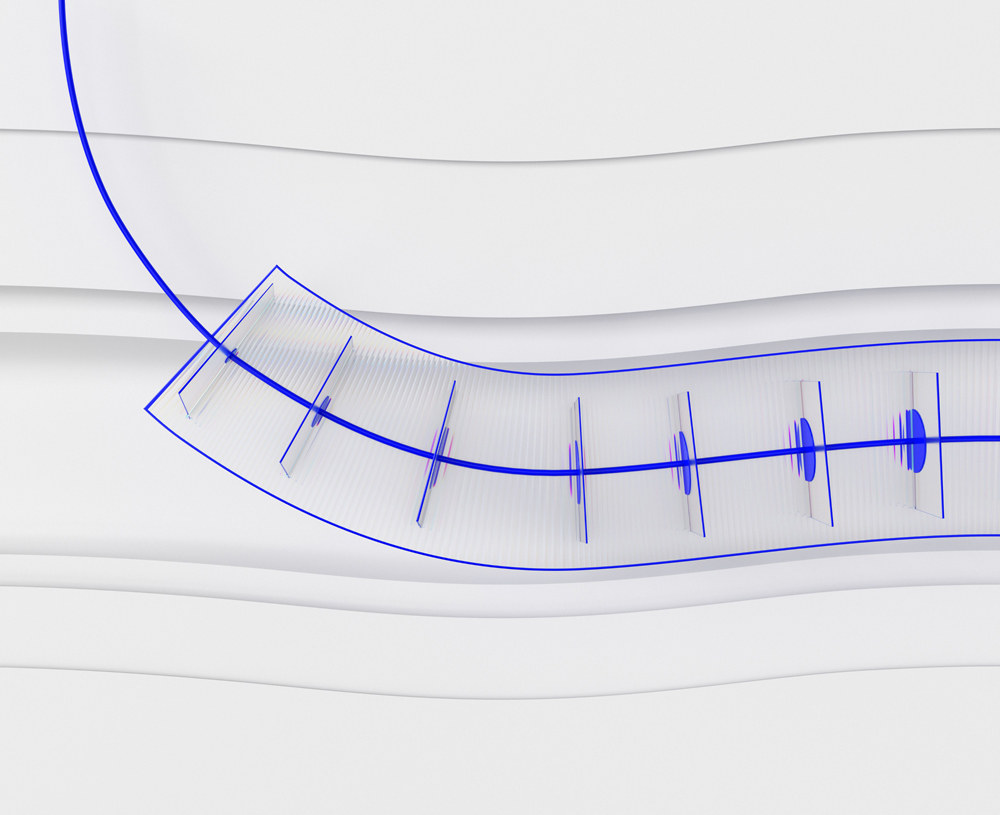
Several advancements were achieved. One of these was significant time and cost reduction. Fervo reduced drilling times by 70% between their initial project and the Utah Cape Station project, with drilling costs dropping from $9.4 million to $4.8 million per well for the first four horizontal wells. A second item of progress was advanced drilling techniques. Utilizing horizontal drilling methods perfected at the Utah FORGE site, Fervo is able to tap into deeper, hotter, high-temperature rock, (over 2,100 ft deeper than previous projects) while achieving faster, drill times.
A third advancement was improved drilling components. The application of polycrystalline diamond compact (PDC) drill bits, which are designed to withstand hard granite, has increased drilling speed and durability. A final improvement was Faster Project Development. Fervo’s adoption of these techniques allowed them to drill their fastest well in just 21 days.
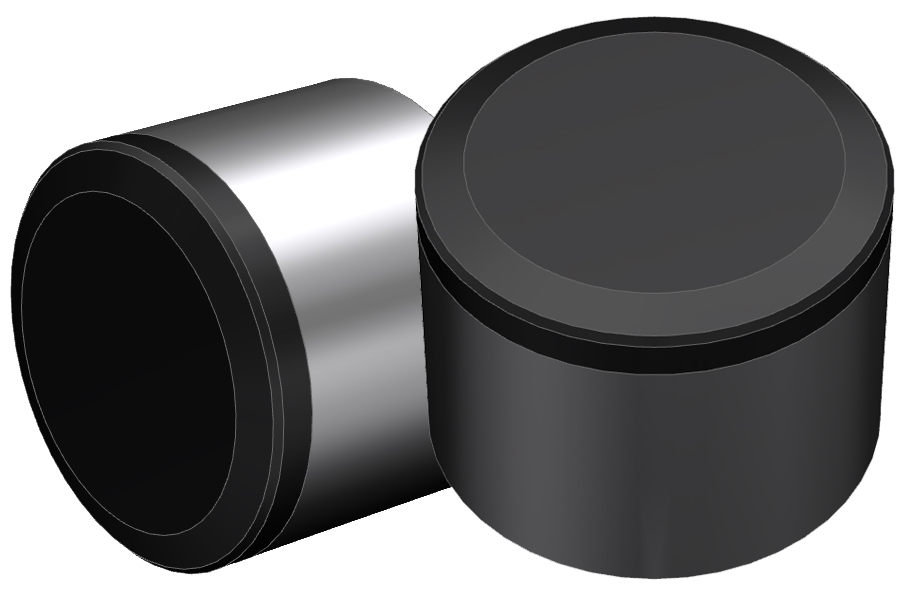
Fervo Energy aims to deliver 100 MW of geothermal energy by 2026 and 400 MW by 2028.
Eavor closed-loop system. At its Geretsried project in Germany—the world's first commercial closed-loop (Eavor-Loop™) geothermal system—Eavor Technologies reported a 3x improvement in bit run lengths, achieved through iterative designs, operational optimizations, and refinements like better bit designs suited for high-temperature environments.
This contributed to a 50% reduction in drilling time per lateral well and broader gains, such as a 90% improvement in rate of penetration. While not an entirely new "drill bit" invention (like a new bit type from scratch), the breakthroughs stem from optimized PDC (polycrystalline diamond compact) bit designs, extended durability in hot rock, and integration with the firm’s proprietary systems—leading to dramatic real-world performance gains in geothermal contexts. This has helped make deeper, hotter drilling more viable and cost-effective, supporting the milestone of first electricity production at Geretsried in late 2025.
Novel geothermal mapping methods. Since the end of the European ORCHYD project in 2024, two new geothermal projects have launched. The first of these projects is the HyPerDrill, supported by the French National Research Agency (ANR). HyPerDrill’s main goal is to improve the drilling performance of ultra-deep geothermal wells in hard rock formations, with a focus on the crystalline basement. The project will include a three-dimensional modeling approach, to characterize rock properties and their interaction with mechanical rock erosion mechanisms. The data gathered will further validate models and support improved drilling capabilities.
The GEOSIS is the second project launched, and it is supported by the French Agency for Ecological Transition (ADEME). This project aims to characterize geothermal reservoirs using real-time seismic data during drilling. Prior to this project, the productivity of geothermal reservoirs has typically been assessed after drilling, using seismic measurements or permeability tests. GEOSIS allows for full optimization of geothermal production by providing real-time estimation during drilling enabling dynamic adjustment of the well’s trajectory. This method not only improves understanding of geothermal reservoirs, but it also enables more efficient and cost-effective resource mapping for geothermal reservoirs.
Phoenix™ series PDC bits – NOV. The Phoenix™ series of PDC drill bits is designed uniquely for geothermal drilling applications. These PDC bits incorporate ION+™ GT cutters, allowing them to leverage the superior level of heat and wear resistance necessary for geothermal environments. In addition to thermal stability, the Phoenix™ series’ focus is also on torsional stability in hard rock environments, with unique depth-of-cut control and analysis to reduce torsional oscillations.
Scorch™ Geothermal PDC bits – Ulterra. Ulterra’s Scorch™ PDC bits are designed to target geothermal drilling applications and environments, particularly high-temperature, granite formations. These bits leverage high durability and efficient cutting structures to achieve much faster ROP in granite formations. They have been used in Colorado for both the state’s first deep geothermal well and its two deepest wells of all time.
Related Articles- Integrating real-time drilling analytics to reduce carbon intensity and operational risk (March)
- Drilling advances: Gas: What’s a mother to do? (March)
- Start-up breaks temperature barrier in directional drilling, a challenge pursued for years (March)
- U.S. drilling to remain disciplined in 2026 amid flat rigs, steady output (February)
- Middle East jackup fleet continues to shrink following Saudi suspensions (February)
- From impossible to inevitable: Superhot rock geothermal to unlock gigawatts of energy (January)
- Subsea technology- Corrosion monitoring: From failure to success (February 2024)
- Applying ultra-deep LWD resistivity technology successfully in a SAGD operation (May 2019)
- Adoption of wireless intelligent completions advances (May 2019)
- Majors double down as takeaway crunch eases (April 2019)
- What’s new in well logging and formation evaluation (April 2019)
- Qualification of a 20,000-psi subsea BOP: A collaborative approach (February 2019)