TotalEnergies deploys 13,000 sensors to monitor methane emissions
(WO) — TotalEnergies has launched MethaneLive, a global methane emissions monitoring center that uses real-time data, advanced analytics and artificial intelligence to detect and reduce methane emissions across its operated upstream assets.
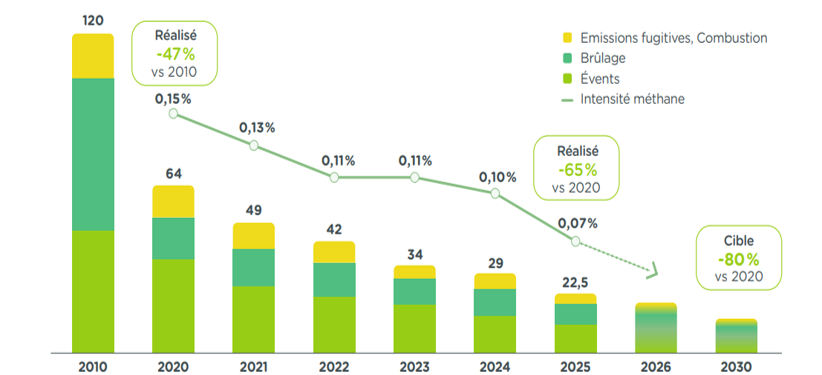
The company said it deployed approximately 13,000 sensors across all operated onshore and offshore upstream sites in 2025, creating what it describes as the industry's most extensive permanent real-time methane monitoring system.
MethaneLive combines continuous sensor data with advanced algorithms and operational expertise to identify fugitive emissions, determine root causes and recommend corrective actions. Since becoming operational in early 2026, the platform has detected 35 fugitive methane emissions that TotalEnergies said would have been difficult to identify using conventional monitoring methods alone.
“The use of real-time data is a concrete driver that helps make our operations more reliable, safer, more efficient, and more sustainable,” said Namita Shah, president of OneTech at TotalEnergies. “Thanks to the quality of our data and the expertise of TotalEnergies' teams, we are making digital a key driver in the fight against methane emissions.”
The company said the monitoring platform provides a foundation for deploying agentic AI technologies capable of identifying higher-emitting equipment and improving the detection of methane leaks across operations.
TotalEnergies has targeted near-zero methane emissions at its operated upstream facilities by 2030. The company said its strategy is based on improving emissions measurement while accelerating efforts to identify and reduce methane releases.
Beyond methane management, TotalEnergies continues to expand its use of artificial intelligence across exploration and production operations. The company currently uses AI-driven systems to monitor nearly 3,000 pieces of equipment across its assets, helping detect early signs of equipment degradation and optimize maintenance planning.
In subsurface applications, TotalEnergies said AI is being used to improve seismic interpretation, reservoir characterization and field development planning, supporting exploration and production activities across its global portfolio.
To support growing AI and digital workloads, the company is also developing its next-generation Pangea 5 supercomputer, which is expected to increase computing capacity sixfold when it enters service in 2027.