Oil surges as Trump reinstates Hormuz blockade, proposes transit fee
(Bloomberg) — Oil prices posted their biggest gain since April after U.S. President Donald Trump announced plans to reinstate a blockade on Iranian ships transiting the Strait of Hormuz and impose a 20% charge on all other cargo moving through the strategic waterway, reigniting concerns over global energy supplies.
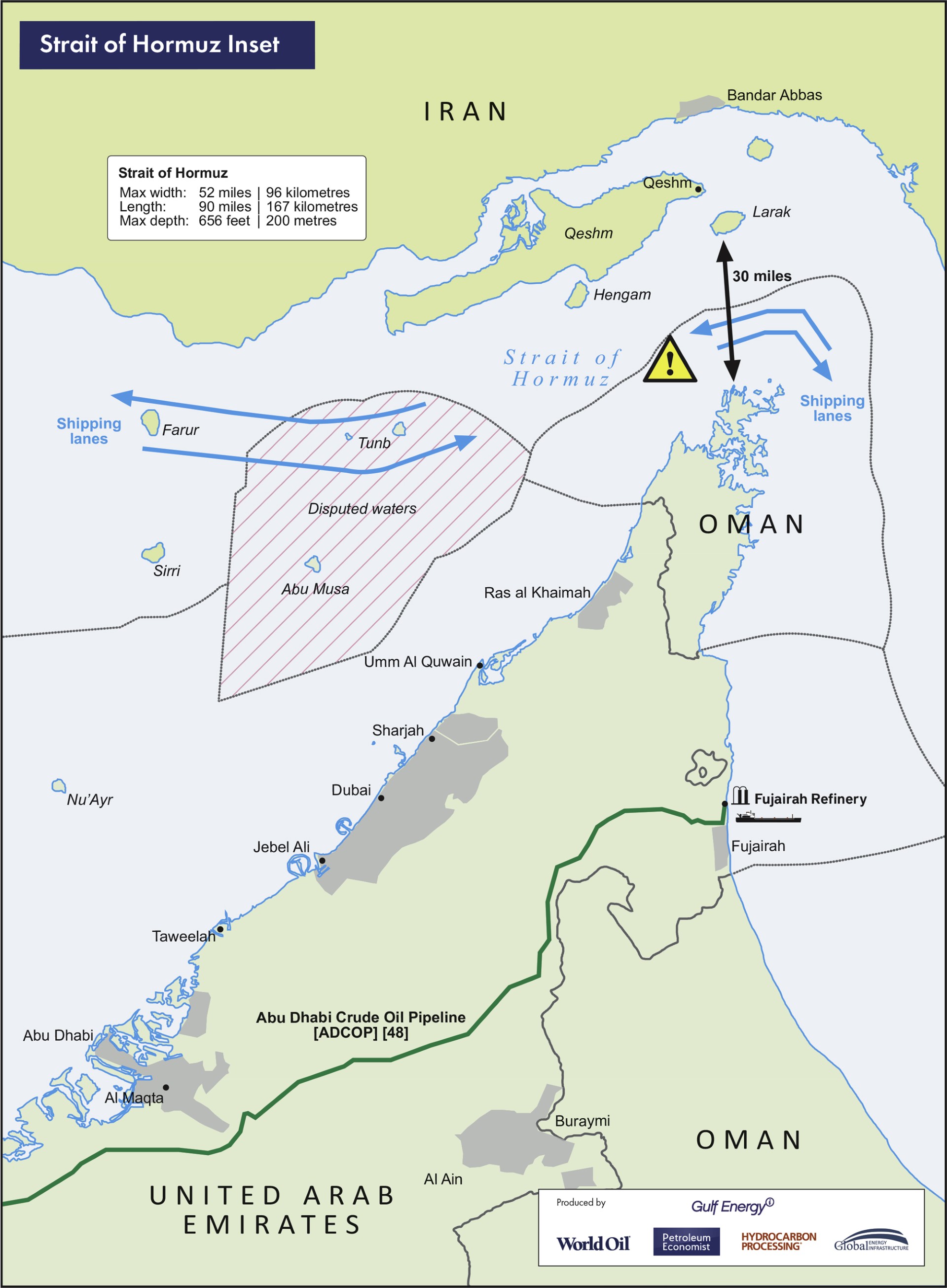
West Texas Intermediate futures jumped 9.4% to settle near $78/bbl, their highest level in nearly a month, while Brent crude closed above $83/bbl. Prices extended gains in post-settlement trading after Trump said the U.S. would strike Iran "very hard" overnight Monday and Tuesday.
The rally followed a weekend exchange of U.S. and Iranian strikes, including attacks on energy infrastructure, that largely erased hopes tensions would ease and shipping through Hormuz would normalize.
In a social media post, Trump said Hormuz "will remain OPEN, with or without Iran," describing the United States as the waterway's "guardian" while proposing a 20% reimbursement on all other cargo transiting the strait. Earlier, he told Fox News the U.S. would likely seek to take control of the chokepoint.
"Reinstating the blockade is another rung up the escalation ladder, and that's forcing crude to reprice geopolitical risk," said Rebecca Babin, senior energy trader at CIBC Private Wealth Group. "The proposed 20% transit fee grabs attention, but the market is still waiting to see how it would actually be implemented."
The White House did not immediately provide details on how the proposed transit charge would be administered or whether it had been discussed with U.S. allies in the Gulf.
The Joint Maritime Information Center said U.S. Central Command would begin enforcing the blockade of Iranian ports and coastal areas beginning at 4 p.m. ET Tuesday. Analysts warned the move could increase the risk of further attacks on commercial shipping through the world's most important oil transit chokepoint.
Fresh uncertainty surrounding Hormuz has restored a geopolitical risk premium to crude markets after prices retreated in June following an interim U.S.-Iran peace agreement.
A 20% transit charge would amount to roughly $32 million for a fully loaded supertanker at current oil prices, significantly exceeding the fees previously reported by Iran for passage through the strait. Increased shipping costs would likely be reflected in higher crude prices.
The International Maritime Organization reiterated its opposition to charging fees for passage through international straits used for global navigation.
Meanwhile, Yemen's Houthis claimed responsibility for missile and drone attacks targeting a Saudi airport in response to earlier Saudi strikes on Sanaa. On Sunday, U.S. forces struck dozens of targets aimed at reducing Iran's ability to threaten shipping through Hormuz, while Iran launched attacks on U.S. allies across the Middle East. Kuwait also reported damage to an offshore drilling platform, marking the first direct strike on energy infrastructure in weeks.
"If the conflict expanded to target key facilities more broadly, oil could head to $100," said Saul Kavonic, senior energy analyst at MST Marquee.