Clariant reports North Sea success with low-dosage hydrate inhibitor
(WO) — Clariant Oil Services has reported successful offshore deployment of its HYTREAT ECO low-dosage hydrate inhibitor technology in North Sea operations, marking what the company says is the first anti-agglomerant hydrate management solution to meet OSPAR environmental requirements while delivering field-proven performance.
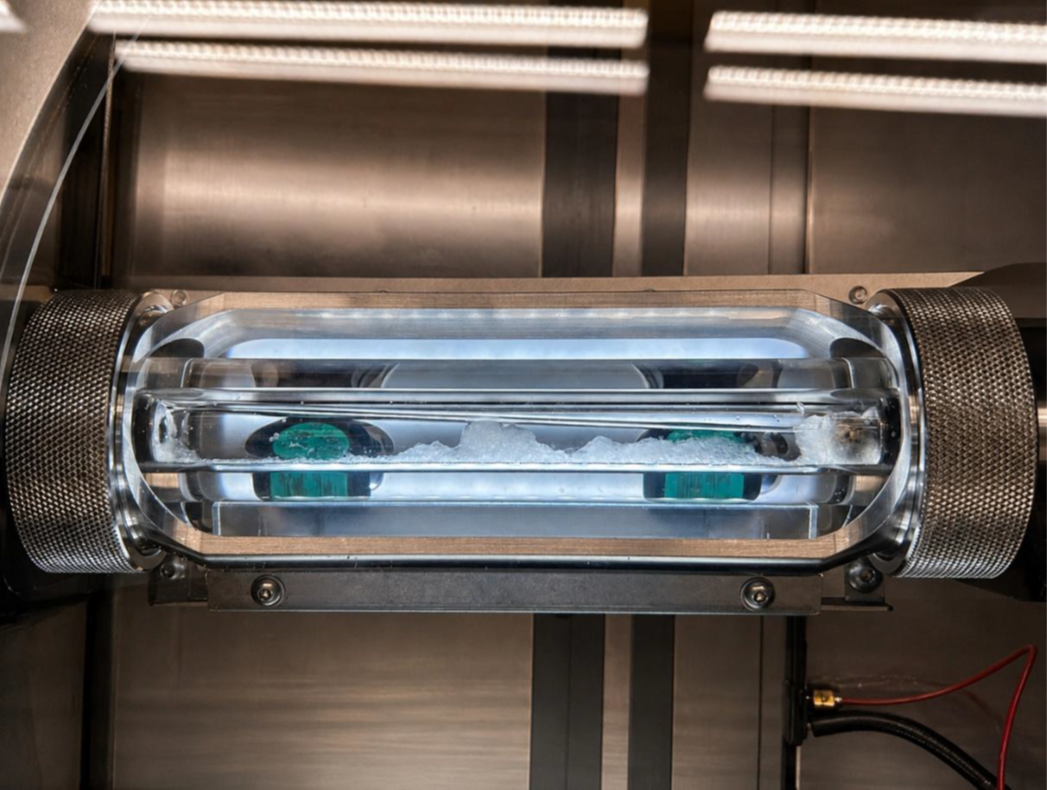
The technology has been deployed in offshore Norway and the United Kingdom, where it was used to manage hydrate formation in subsea production systems under challenging deepwater and high-water-cut operating conditions.
Gas hydrates remain one of the industry's most significant flow-assurance challenges, forming under high-pressure, low-temperature conditions and potentially creating blockages in subsea pipelines and production infrastructure. Operators have traditionally relied on large volumes of methanol or monoethylene glycol (MEG) to mitigate hydrate formation.
According to Clariant, HYTREAT ECO achieves hydrate control at dosage rates below 1% to 2% of produced water volume during North Sea field trials, significantly reducing chemical consumption compared with conventional methanol- and MEG-based treatment programs.
"Technologies that improve both operational efficiency and environmental performance are becoming increasingly important," said George Nunes, head of Clariant Oil Services. "HYTREAT ECO demonstrates how innovation can help strengthen energy resilience while meeting the demanding environmental and operational standards of today's offshore industry."
In Norway, the technology was deployed on a mature offshore asset to help manage increasing water production and reduce reliance on glycol regeneration capacity. Clariant said the product successfully supported a well restart following a 24-hour shut-in within the hydrate stability zone, while produced water quality remained within overboard discharge limits.
Based on the field results, HYTREAT ECO received a Technology Readiness Level (TRL) 7 designation, indicating successful performance under full-scale operating conditions.
In the UK sector, the technology replaced subsea methanol injection at a gas-condensate field operating under high-subcooling conditions. Clariant said the product maintained hydrate control during both routine operations and cold-restart scenarios.
The company said the technology offers additional benefits through reduced storage, transportation and handling requirements, supporting operators' efforts to lower emissions and improve environmental performance while maximizing production from existing offshore assets.