U.S. eases Iran oil sanctions under temporary peace agreement
(Bloomberg) — The U.S. Treasury Department has authorized the sale of Iranian crude oil and petroleum products under a 60-day sanctions waiver tied to the recent U.S.-Iran peace agreement, marking a major shift in U.S. policy and potentially increasing global oil supplies.
The license, which remains in effect through Aug. 21, allows Iran to sell crude oil, refined products and petrochemicals while permitting transactions in U.S. dollars. The waiver also opens the door to imports of Iranian crude and petroleum products into the United States for the first time in decades.
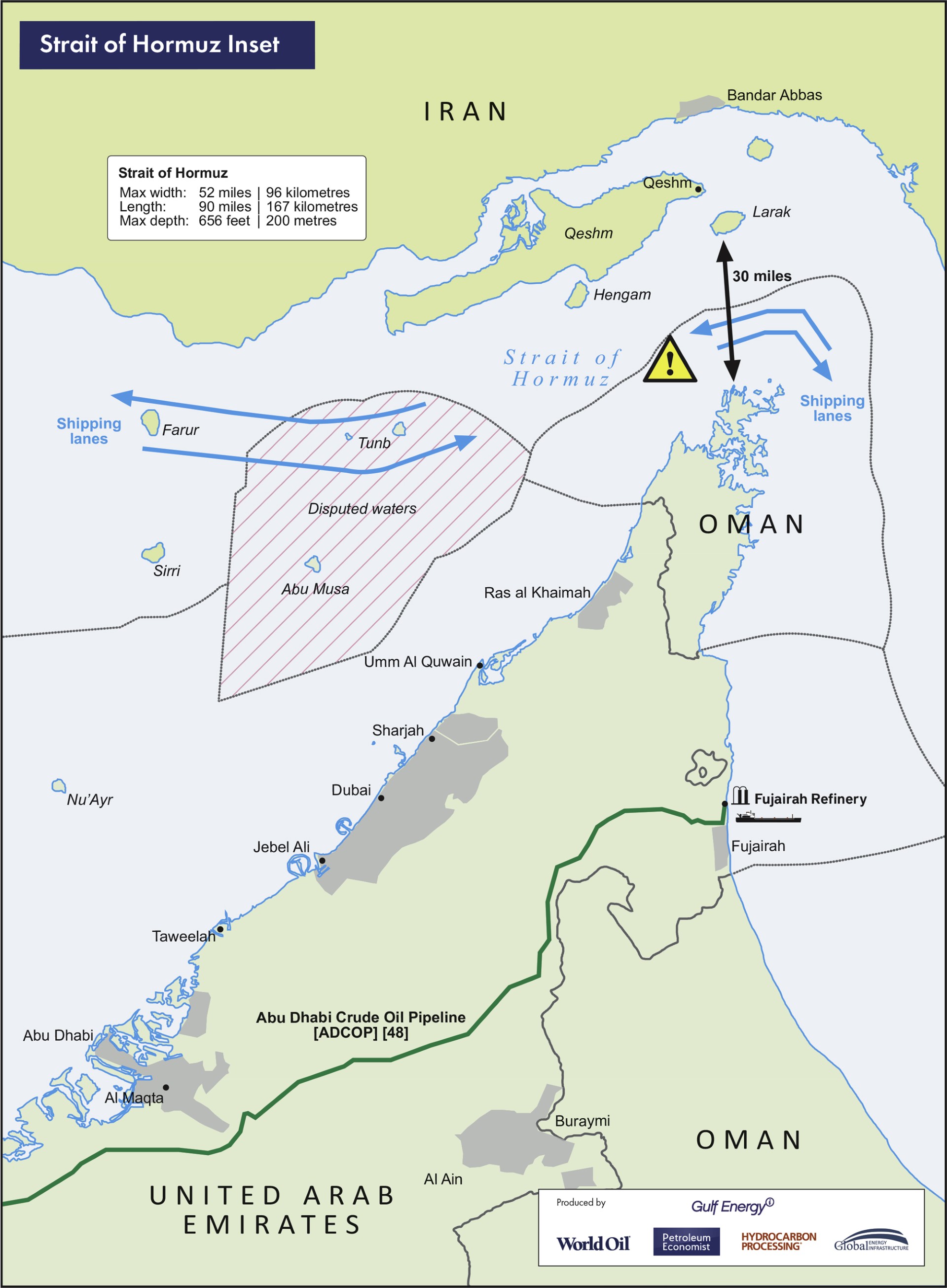
The move follows last week's agreement between Washington and Tehran aimed at ending months of conflict and restoring energy flows through the Strait of Hormuz.
Market participants are closely watching the impact of the sanctions relief, which could bring additional Iranian barrels to international markets at a time when oil prices have retreated from wartime highs. Brent crude traded near $77/bbl Monday as traders weighed the prospect of increased supply.
Iran had already begun accelerating exports following the announcement of the peace agreement, shipping millions of barrels into global markets as restrictions eased and maritime traffic gradually resumed through Hormuz.
The sanctions waiver represents a significant reversal from years of U.S. efforts to restrict Iranian oil exports. Since the Trump administration withdrew from the 2015 nuclear agreement during President Donald Trump's first term, Iran's oil sales have largely been limited to buyers willing to navigate sanctions risks, with China serving as the primary destination for most exports.
Analysts caution that practical challenges remain despite the waiver. European sanctions remain in place, and traders, shipowners and refiners will need time to reestablish commercial relationships and logistics networks that have been largely dormant for years.
The Treasury action also authorizes the use of previously sanctioned vessels involved in transporting Iranian crude and petroleum products.
In addition to easing restrictions on oil exports, the broader agreement calls for the lifting of the U.S. naval blockade of Iranian ports and could eventually lead to the release of billions of dollars in frozen Iranian assets.
The prospect of additional Iranian crude reaching global markets has increased expectations for stronger supply growth in the months ahead, particularly if negotiations between Washington and Tehran result in a longer-term agreement.