Hormuz reopens, but obstacles remain as oil markets seek path to normalcy
(Bloomberg) — Oil and LNG shipments have begun moving through the Strait of Hormuz again following this week's interim agreement between the U.S. and Iran, easing immediate concerns over the worst energy supply disruption in modern history. Yet industry officials and market participants warn that significant hurdles remain before traffic and exports can return to pre-war levels.
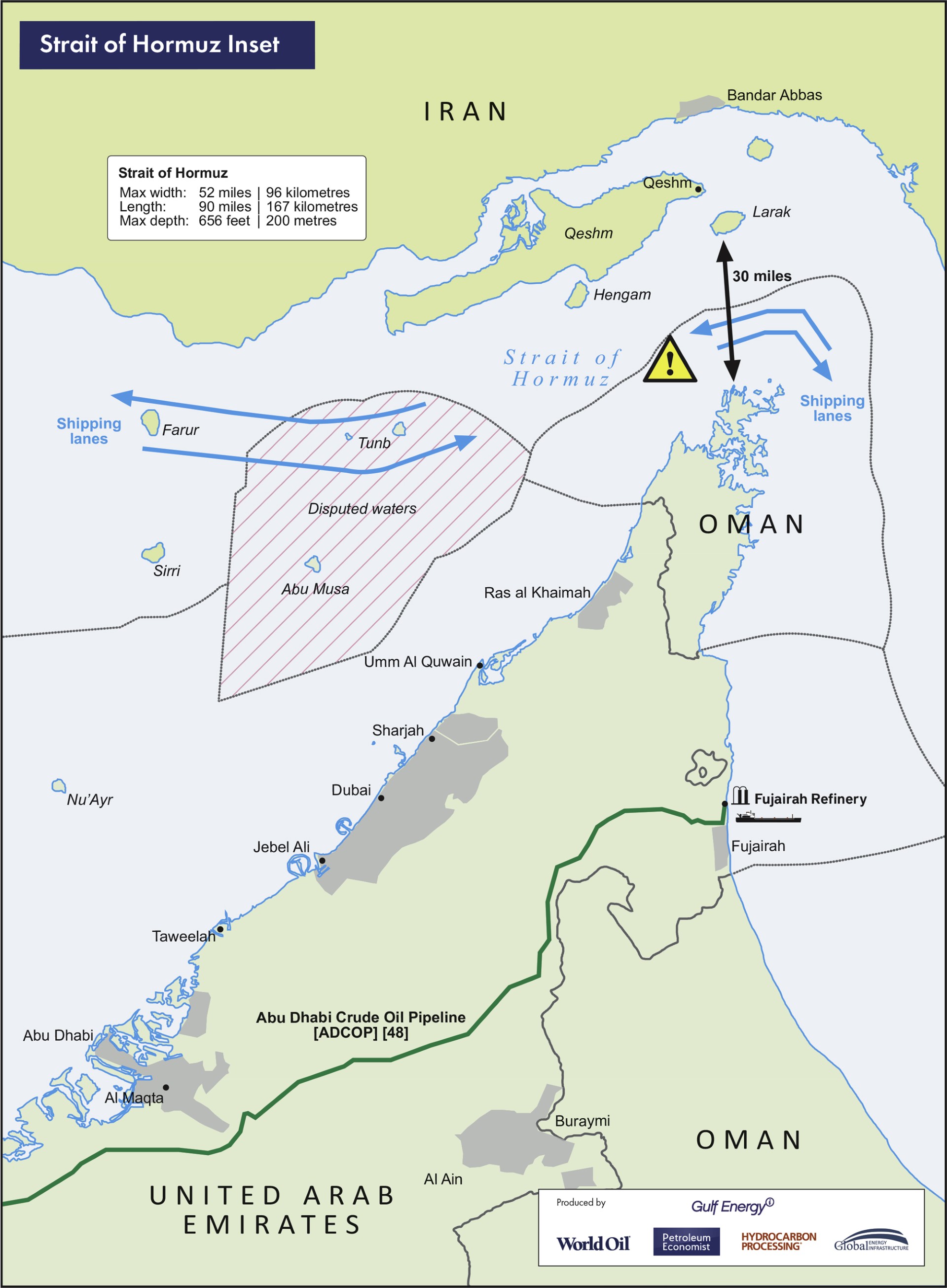
Brent crude traded near $80/bbl Friday after falling nearly 8% for the week, as traders responded to the reopening of the critical waterway and expectations that Middle East oil supplies will gradually return to global markets. The Strait of Hormuz handles roughly one-fifth of the world's oil trade and had been largely closed since the conflict began in late February.
The agreement has already triggered a resumption of tanker movements. Several crude oil and LNG vessels successfully transited the strait this week, while Gulf producers began positioning for a recovery in exports. Kuwait said it is increasing production and expects output to exceed 2 MMbpd within days, while ADNOC has reportedly instructed customers to resume loadings from Persian Gulf terminals.
Iran has also begun exporting crude that had been stranded during the conflict. According to vessel-tracking data, millions of barrels of Iranian oil have departed from storage and export facilities outside the Gulf in recent days as restrictions ease.
Despite the initial surge in activity, shipping traffic appeared to slow Friday as uncertainty surrounding longer-term arrangements emerged. Planned negotiations between Washington and Tehran on a permanent agreement were postponed, underscoring the fragile nature of the current ceasefire.
“Everyone would like to get the ships out, but the mood is that you don’t necessarily need to be the first,” Jan Rindbo, chief executive officer of shipping company D/S Norden, told Bloomberg. “With traffic resuming that will build confidence. But it’s still fragile.”
Market observers say restoring confidence among shipowners, insurers and traders could prove just as important as any political agreement.
Iran this week signaled that vessels transiting Hormuz may eventually be required to carry mandatory insurance policies administered through a new regulatory framework, raising questions about potential future fees and transit requirements. U.S. officials have maintained that international waterways should remain free of tolls, setting the stage for further discussions over how traffic will be managed in the months ahead.
Industry groups have also highlighted practical challenges that remain unresolved. Several shipping organizations have cited concerns regarding navigation procedures, vessel routing and the clearing of mines reportedly deployed during the conflict. While some vessels have resumed transit, many shipowners remain cautious about being among the first to return to regular operations.
The scale of the potential recovery remains significant. According to reports, supertankers carrying nearly 80 MMbbl of crude oil are currently positioned inside the Persian Gulf and could begin moving through Hormuz as confidence improves. Additional production shut in during the conflict is also expected to return gradually as export routes normalize.
While oil prices have retreated sharply from wartime highs, analysts caution that the path back to normal operations could take months. Repositioning vessels, restoring production, rebuilding inventories and establishing a long-term security framework for the waterway are all expected to take time.
For now, the reopening of Hormuz has provided markets with a measure of relief. Whether that relief evolves into a sustained recovery for global oil flows will depend on the durability of the U.S.-Iran agreement and the industry's willingness to return to one of the world's most strategically important energy corridors.