Trump says U.S.-Iran deal could be signed within days
(Bloomberg) — President Donald Trump said the interim U.S.-Iran agreement aimed at reopening the Strait of Hormuz could be signed within days, as energy markets await details of a deal that could restore Gulf oil flows and ease supply concerns.
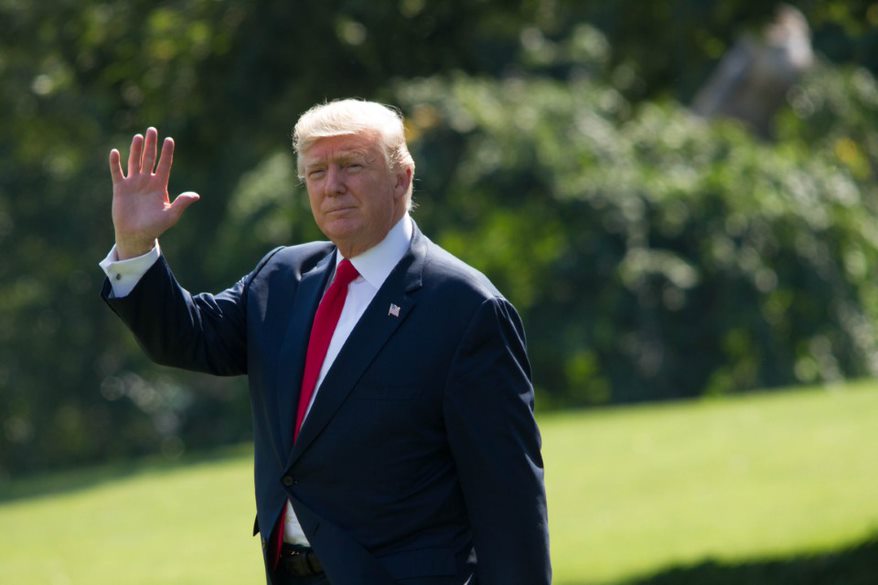
Speaking during the Group of Seven summit in France, Trump said the memorandum of understanding could be signed “shortly, tomorrow, maybe the next day.”
The agreement is expected to reopen the Strait of Hormuz, a critical energy chokepoint that handles a significant share of global oil and LNG trade. A draft reviewed by Bloomberg also includes immediate sanctions waivers for Iranian oil exports, with broader negotiations on Iran’s nuclear program expected to follow.
The prospect of renewed Gulf exports has already weighed on crude prices. Brent crude fell below $80/bbl earlier this week as traders anticipated increased supply returning to the market.
Trump said concerns over the economic impact of prolonged disruptions to energy markets influenced his decision to pursue the agreement.
A formal signing is expected in Switzerland, where U.S. Vice President JD Vance and Iranian Parliament Speaker Mohammad Bagher Ghalibaf are scheduled to participate.
Neither Washington nor Tehran has yet released the final text of the agreement. However, officials from both countries have indicated that the accord would establish a framework for reopening Hormuz and resuming negotiations on longer-term issues, including Iran’s nuclear activities.
Questions remain regarding implementation of the agreement and future talks. Among the unresolved issues are Iran’s stockpiles of highly enriched uranium and the scope of potential sanctions relief.
The preliminary accord has been welcomed by energy markets after months of disruption across the Persian Gulf. The conflict, which began in late February, sharply reduced regional oil exports, contributed to a drawdown of global inventories and pushed crude prices significantly higher.
If signed and implemented, the agreement could pave the way for a gradual recovery in Gulf oil exports and maritime traffic through the Strait of Hormuz, although analysts caution that a full return to pre-conflict operating levels may take time.