Brent falls below $80 as U.S.-Iran deal boosts supply outlook
(Bloomberg) – Brent oil fell below $80 a barrel for the first time in more than three months as the U.S.-Iran deal to reopen the Strait of Hormuz boosted expectations for a revival in supply, with leading Wall Street banks reducing their price forecasts and key market gauges tumbling.
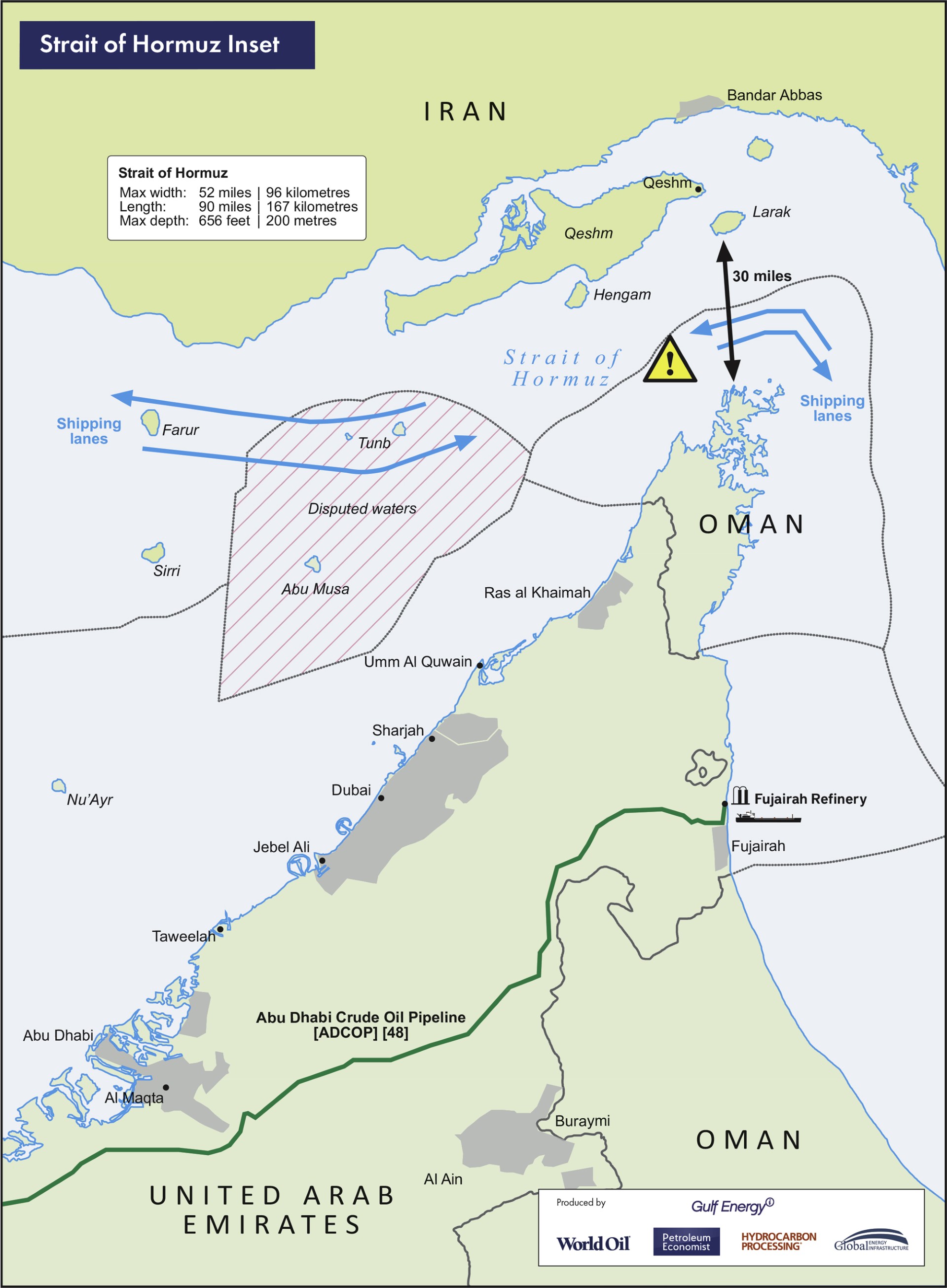
Global benchmark Brent fell as much as 4%, on course for its longest run of declines this year. An interim agreement is due to be signed by both sides in Switzerland on Friday, although Washington and Tehran have yet to release the text of their memorandum.
Both Morgan Stanley and Goldman Sachs Group Inc. cut price outlooks for the coming quarters, with the latter now assuming Persian Gulf exports will reach pre-war levels by the end of July, a month earlier than previously forecast.
The Middle Eastern Dubai and Murban oil benchmarks both flipped into a bearish contango structure, signaling oversupply. That comes as more barrels are expected from the region and the UAE keeps seeking to sell its barrels in tenders.
Oil’s drop to the lowest since early March has erased the bulk of the gains seen during the conflict, easing inflationary pressures just as policymakers at the Federal Reserve assess interest rates this week. Still, many questions remain over how the interim pact will be implemented, including concerns over shipping safety, operating rules and whether the chokepoint—which carried about a fifth of oil supply before the war—will stay toll-free.
The lack of detail has left uncertainty about the reopening. Persian Gulf energy officials said they had been inundated with inquiries from buyers about whether crude could once again move through the strait, while shipping executives and traders said they need more clarity before committing vessels to the route.
“Much is still to be negotiated and key risks remain, but for now, this is a key step toward a de-escalation of the conflict and higher oil exports via the Strait of Hormuz,” Morgan Stanley analysts including Martijn Rats wrote in a note. “We see 50% of production back by September, and 80% by December, slightly faster than before.”
At Goldman Sachs, analysts including Daan Struyven said they expected Brent to average $80 in the fourth quarter, $10 less than their earlier call.
RBC Capital Markets LLC struck a more cautious tone. “We think it will take months to reach anything close to Feb.27 levels,” analysts including Helima Croft said in a note, referring to the date before the start of the war. “Peak Hormuz flows may actually be in the rearview mirror,” they said.
The effective closure of Hormuz — which has been subject to a double blockade by Iran and the US — has cut oil flows from the region, triggering the drawdown of commercial and strategic inventories. The U.S.’s emergency supply of crude hit its lowest level since 1983, according to data released Monday.