Oil prices fall further as markets weigh U.S.-Iran Hormuz agreement
(Bloomberg) – Oil prices dropped further Monday as markets reacted to the U.S.-Iran agreement announced over the weekend to reopen the Strait of Hormuz, though traders and shipping companies remained cautious as they awaited details on how quickly traffic through the vital waterway could resume.
Brent crude dropped as much as 5.7% to below $83/bbl, while West Texas Intermediate briefly fell below $80/bbl. Prices have now retreated more than 30% from the highs reached during the height of the conflict.
President Donald Trump said the United States would end its naval blockade of Iran and authorize the reopening of the Strait of Hormuz once the agreement is formally signed later this week. Iran's semi-official Fars News Agency reported that vessel transits would be toll-free for 60 days.
While the agreement marks a significant step toward restoring normal trade flows, market participants cautioned that operational challenges remain. Neither Washington nor Tehran has yet released the full text of the agreement, and shipping companies continue to evaluate the timeline for safely resuming regular operations through the waterway.
"There’s just one litmus test for all policy interventions: does it sufficiently reassure ship operators to resume normal operations?" said Clay Seigle, non-resident scholar at the Center for Strategic and International Studies.
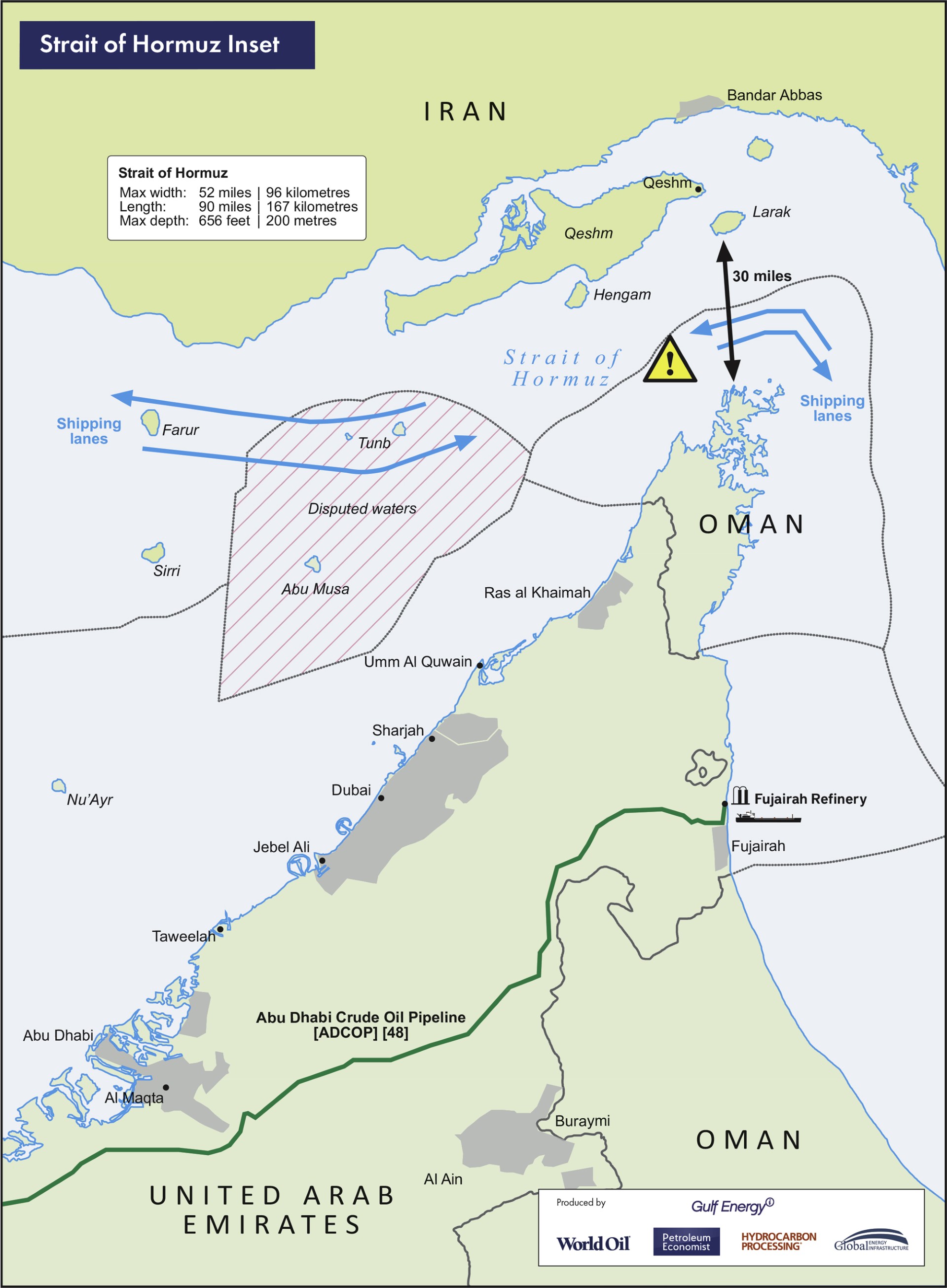
The Strait of Hormuz typically handles about one-fifth of global oil flows and serves as a critical export route for crude and LNG shipments from the Persian Gulf. The conflict disrupted traffic through the corridor and prompted concerns over global energy supplies, contributing to a sharp rise in oil prices earlier this year.
Despite the agreement, analysts noted that restoring shipping activity and oil production to pre-conflict levels may take time. Remaining challenges include mine-clearing operations, vessel security concerns and the gradual restart of oil fields that were shut in during the conflict.
Oxford Economics analysts said the agreement is an important step toward a broader resolution but cautioned that shipping activity is unlikely to immediately return to normal levels.
Market attention is also turning to the next phase of negotiations. The interim agreement establishes a 60-day framework for talks on Iran's nuclear program, while easing tensions that have weighed on global energy markets for months.
Traders will also be watching for signs that crude production from Persian Gulf fields can be restored. Industry officials have warned that bringing some facilities back to full capacity could take months due to operational and infrastructure challenges.
While uncertainty remains, the agreement has eased immediate concerns about supply disruptions and reduced the geopolitical risk premium that had been supporting oil prices during the conflict.