Trump reverses course on Iran strikes, easing concerns over Kharg Island
(Bloomberg) — President Donald Trump on Thursday canceled planned military strikes against Iran, reversing earlier threats of further action and helping ease immediate concerns about disruptions to regional oil supplies.
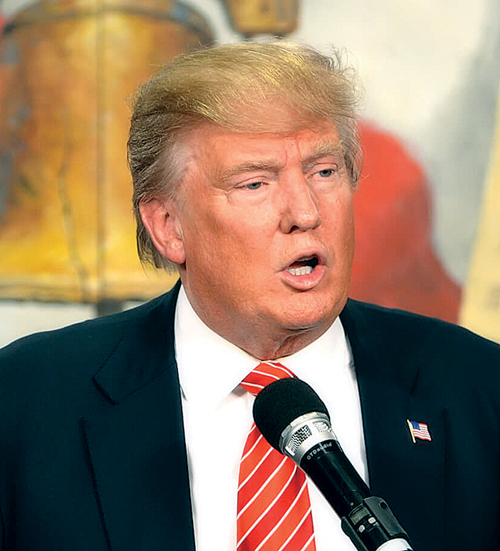
In a social media post, Trump said discussions aimed at ending the conflict had reached senior levels of Iran's leadership and indicated that negotiations were advancing toward a potential agreement.
“I have, as President of the United States of America, cancelled the scheduled strikes and bombings against Iran this evening,” Trump wrote.
The announcement came just hours after Trump warned of additional military action against Iran and raised the possibility of targeting key Iranian energy infrastructure, including Kharg Island, the country's primary oil export terminal.
Oil prices fell sharply following Trump's comments, with Brent crude dropping nearly 4% to trade below $90/bbl as traders reacted to signs of possible diplomatic progress.
Iran has not formally confirmed that an agreement has been reached. According to Iran's semi-official Fars news agency, the country has not yet approved the text of any deal with the United States.
The latest developments follow the collapse of a two-month ceasefire earlier this week and continued negotiations involving regional mediators, including Qatar.
Trump said discussions had been approved in concept by a number of regional stakeholders, including Israel, Saudi Arabia, the UAE, Qatar, Turkey, Pakistan, Bahrain, Kuwait, Jordan and Egypt. Iran was not included in the list.
The president also said the U.S. naval blockade of Iran would remain in place until any agreement is finalized.
The Strait of Hormuz remains a focal point for global energy markets. Iran said Wednesday that the waterway would remain closed to vessel traffic, while the United States has maintained that commercial shipping continues to move through the region.
Market participants continue to closely monitor negotiations and shipping activity through Hormuz, one of the world's most important oil transit routes. Analysts have warned that a prolonged disruption could place additional upward pressure on crude prices and accelerate draws on global petroleum inventories.
While tanker traffic through the region has shown signs of improvement in recent weeks, vessel movements remain below pre-conflict levels.
Map source: Global Energy Infrastructure.