Trump casts doubt on quick U.S.-Iran deal over Hormuz
(Bloomberg) — President Donald Trump said the U.S. remains dissatisfied with negotiations aimed at ending the conflict with Iran and reopening the Strait of Hormuz, pushing back against earlier Iranian media reports suggesting a deal could soon normalize maritime traffic through the vital waterway.
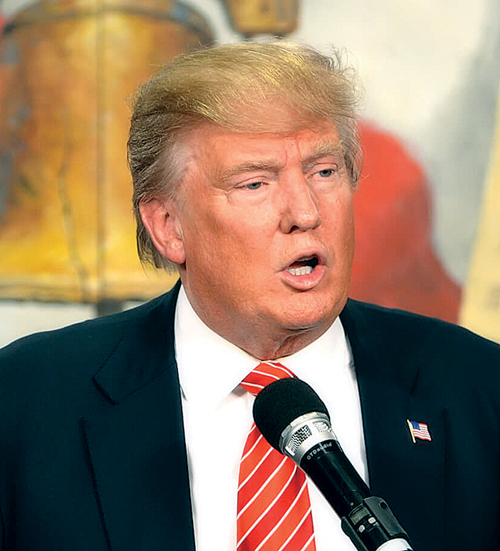
“They want very much to make a deal. So far, they haven’t gotten there. We’re not satisfied with it,” Trump said Wednesday at the White House. “Maybe we have to go back and finish it,” he added, without elaborating on whether that could involve further military action.
Trump’s comments followed a report from Iranian state television claiming a draft interim agreement could restore normal commercial traffic through Hormuz within a month of implementation. The White House quickly rejected the report, calling the purported memorandum of understanding “a complete fabrication.”
The conflicting statements highlighted continued uncertainty surrounding negotiations that have become critical to global oil and LNG markets following months of disruption tied to the conflict.
Oil prices remained lower despite Trump’s remarks, with traders continuing to price in the possibility of a diplomatic breakthrough after Brent crude fell sharply earlier in the week on optimism surrounding the talks.
Iran and the U.S. are attempting to extend a fragile ceasefire reached in April while negotiating terms tied to reopening Hormuz, which has remained heavily restricted since fighting escalated earlier this year. The strait normally handles roughly one-fifth of global oil and LNG trade.
Iranian state media previously reported the draft framework would include the lifting of U.S. naval restrictions near Iranian ports, while Iran and Oman would jointly oversee shipping operations in Hormuz. Tehran has insisted any reopening would involve a new management mechanism for vessel traffic through the waterway.
“Managing the passage of ships, their inspection and receiving service fees are at the discretion of the Islamic Republic and in partnership and in cooperation with Oman,” Iranian state television reported.
U.S. officials have maintained that commercial shipping must be allowed unrestricted passage through the strait.
Secretary of State Marco Rubio said Wednesday that negotiations were still ongoing and that “there’s been some progress and some interest.”
Iranian officials also signaled talks remain unresolved. Ali Bagheri-Kani, deputy secretary of Iran’s Supreme National Security Council, said Tehran continues indirect contacts with Washington but warned no agreement exists until all issues are finalized.
Remaining sticking points reportedly include the status of Iran’s highly enriched uranium stockpile, access to frozen Iranian financial assets and the future structure of Hormuz transit oversight.
Iranian media reported Tehran is seeking the release of approximately $12 billion in frozen assets as part of an interim agreement, a move likely to face opposition from Iran hawks in Washington.
The negotiations are also complicated by ongoing regional tensions, including continued fighting between Israel and Iran-backed Hezbollah forces in Lebanon. Iran has reportedly insisted any broader ceasefire arrangement must include all regional fronts.