Iraqi supertanker turns back near U.S. blockade in Strait of Hormuz
(Bloomberg) — Commercial shipping traffic through the Strait of Hormuz remained severely restricted Tuesday as an Iraqi crude supertanker reversed course near the U.S. naval blockade line, underscoring mounting risks for oil and LNG flows through one of the world’s most critical energy chokepoints.
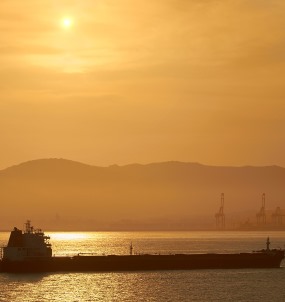
The Iraqi tanker Agios Fanourios I, loaded with crude oil and bound for Vietnam, had successfully cleared the Strait of Hormuz over the weekend before halting its voyage and retracing its route Monday as it approached the U.S. naval position, according to ship-tracking data compiled by Bloomberg.
The vessel’s abrupt turnaround highlights growing uncertainty for commercial shipping as Washington and Tehran continue enforcing competing restrictions across the waterway.
Traffic through Hormuz remains extremely limited. Bloomberg ship-tracking data showed that observable commercial transits Monday consisted primarily of Iranian-linked vessels, including liquefied petroleum gas carriers, small fuel tankers and bulk carriers.
A Qatari LNG carrier, the Mihzem, appeared to successfully transit the strait Tuesday morning en route to Pakistan after briefly reversing course and disabling its tracking transponder Monday. Another LNG shipment had also cleared the chokepoint over the weekend.
The latest disruptions come as heightened military tensions and electronic interference continue clouding visibility across the region’s shipping lanes. Widespread AIS signal spoofing and vessel transponder shutdowns are making independent verification of tanker movements increasingly difficult, particularly for Iran-linked vessels.
According to Bloomberg, vessels associated with Iranian trade have historically disabled tracking systems while transiting high-risk waters near Hormuz, often remaining dark until reaching the Strait of Malacca days later.
Authorities in Qatar have also reportedly instructed vessels near the country’s primary LNG export terminal to disable tracking systems as a security precaution.
In a post on X, U.S. Central Command said the military has diverted 62 commercial vessels since the blockade on Iran took effect.
Diplomatic tensions between the United States and Iran remain elevated, with President Donald Trump dismissing Tehran’s latest proposals and warning that any ceasefire remains fragile. Iran has simultaneously increased its naval posture in the region, reportedly deploying small submarines to strengthen security operations around the strait.
The Strait of Hormuz normally handles roughly one-fifth of global oil and LNG flows, making any prolonged disruption a major threat to global energy markets and maritime trade.