Ceasefire deal to reopen Strait of Hormuz eases global energy crisis fears
(Bloomberg) — The U.S. and Iran agreed to a two-week ceasefire that could pave the way for reopening the Strait of Hormuz, easing concerns over a prolonged disruption to global oil and natural gas supplies.
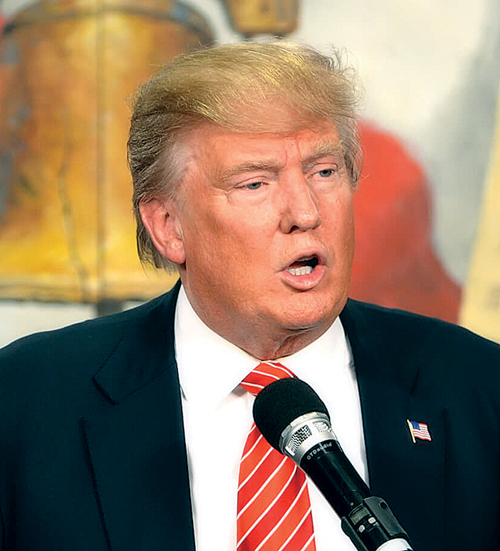
President Donald Trump announced the agreement late Tuesday, saying the U.S. would pursue negotiations rather than escalate the conflict. Iran signaled it would allow limited transit through the vital waterway during the truce, provided coordination occurs with its military.
The Strait of Hormuz typically handles about one-fifth of global oil and liquefied natural gas flows, but traffic has been severely restricted during the nearly six-week conflict. The prospect of renewed shipments quickly rippled through energy markets.
Brent crude fell as much as 18% to about $91/bbl, while European natural gas futures dropped up to 20%, marking their steepest decline in more than two years. The moves reflect expectations that supply disruptions could ease if the ceasefire holds and shipping resumes.
Despite the agreement, uncertainty remains over how quickly flows can normalize. Shipowners and insurers are still assessing security risks, and Hormuz appeared largely blocked as of Wednesday. More than 800 vessels remain stranded in the الخليج, with operators awaiting clarity on safe passage conditions.
Iranian Foreign Minister Abbas Araghchi said safe transit would be permitted for two weeks if attacks on Iranian territory cease. However, the arrangement would require coordination with Iran’s armed forces—an unusual condition that could complicate operations for international shippers.
Vice President JD Vance described the ceasefire as “fragile,” noting that while U.S. military objectives had been achieved, implementation would take time. Delays in orders reaching Iranian forces could prolong sporadic hostilities, a common feature in active conflict zones.
Reports of continued missile and drone attacks across the region, including in Kuwait, Saudi Arabia and Bahrain, underscore the uncertainty. Explosions were also reported at Iran’s Lavan refinery after the truce was announced, highlighting the risk of further disruptions.
The agreement marks a sharp shift from earlier rhetoric. Just hours before announcing the ceasefire, Trump warned of severe retaliation against Iran, including potential strikes on civilian infrastructure.
Beyond immediate supply concerns, negotiations are expected to focus on broader issues, including sanctions relief and Iran’s nuclear program. Trump said the U.S. would seek a deal that eliminates uranium enrichment, while Iran has called for sanctions removal and continued control over Hormuz.
Market reaction has been broadly positive. Equity indices rallied and bond yields fell as investors priced in reduced geopolitical risk. Still, analysts caution that the ceasefire addresses only part of the underlying conflict, with significant differences remaining between the two sides.
For the energy sector, the key question is whether shipping through Hormuz can safely resume at scale. Even with a ceasefire in place, operators will require clear security guarantees before restoring normal transit levels.
The two-week truce can be extended by mutual agreement, but officials on both sides have indicated that trust remains limited, leaving the outlook for sustained stability uncertain.