Billion-barrel Hormuz oil shock threatens demand as supply losses mount
(Bloomberg) — The global oil market is moving toward a critical inflection point as a supply disruption approaching 1 billion barrels begins to force demand lower, with traders warning that the prolonged closure of the Strait of Hormuz will soon trigger a broader consumption shock.
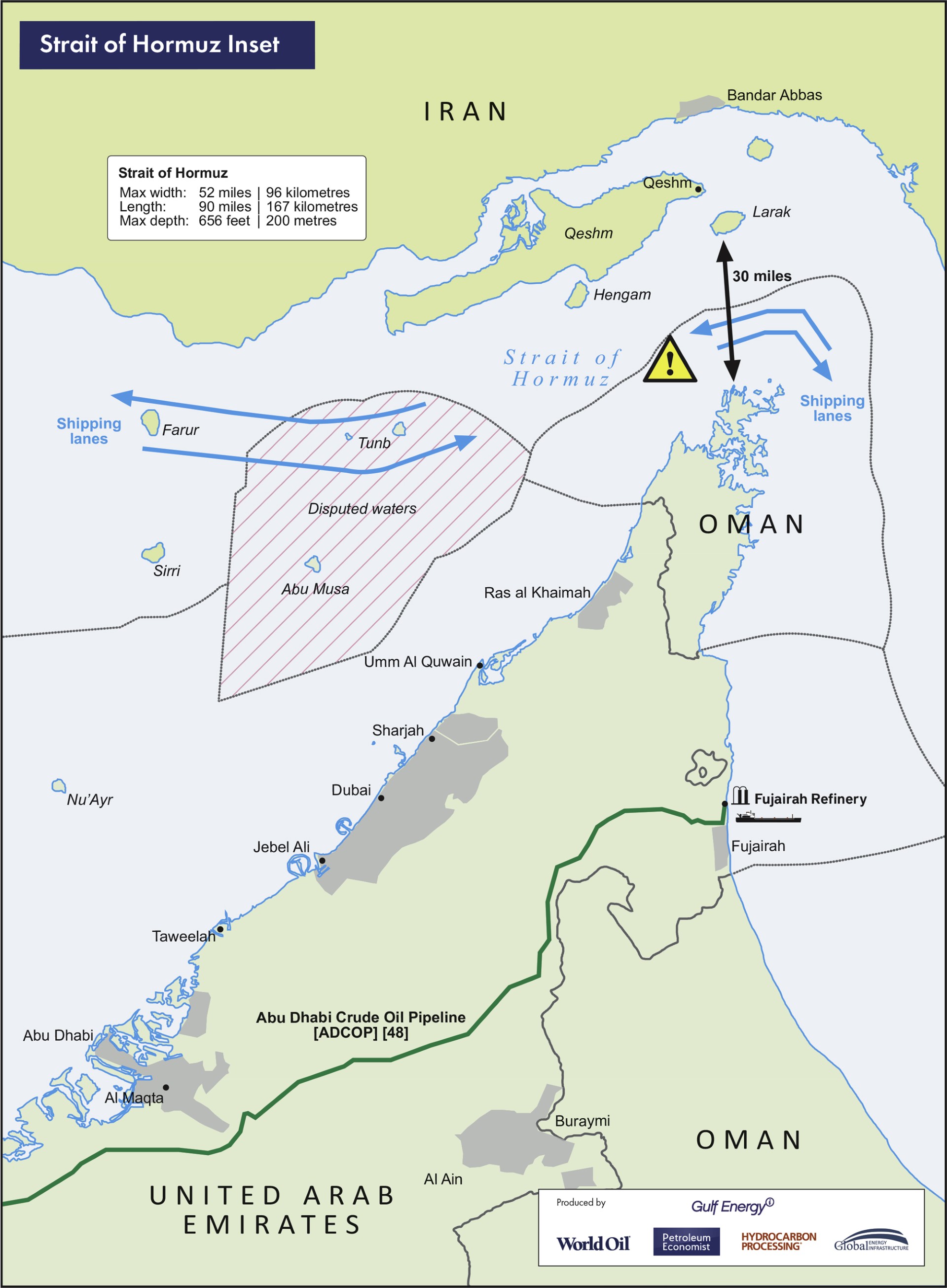
The scale of the disruption—already more than double the emergency inventories released earlier in the crisis—has so far been masked by stock drawdowns and higher prices. But as those buffers erode, the market is increasingly being forced to adjust through reduced demand.
Supply losses are estimated at at least 10% of global flows tied to the Gulf, with little sign of recovery as the blockade stretches into its ninth week. Under normal conditions, the Strait of Hormuz handles roughly one-fifth of the world’s oil shipments, making the disruption one of the most significant in modern market history.
“Demand destruction is happening in places that are not visible pricing centers,” said Saad Rahim, chief economist at Trafigura Group. “That adjustment is already happening, but if this continues, it has to get larger and larger. We’re at a critical inflection point.”
The initial impact was concentrated in petrochemicals and liquefied petroleum gas markets in Asia and the Middle East. Now, the effects are spreading into transportation fuels and consumer markets in Europe and North America, as higher prices begin to weigh on consumption.
Global oil demand is on track for its sharpest monthly decline in five years, according to the International Energy Agency, while traders estimate the loss could double next month to 5 MMbpd, or 5% of world supplies.
“Demand destruction will come and is coming in waves,” said Cuneyt Kazokoglu of FGE NexantECA. “Asia was first in line… Europe has already started talking about the lack of some fuels and feeling the price impact.”
The adjustment is beginning to show across key sectors. Airlines are cutting capacity, diesel markets are tightening, and U.S. gasoline demand is weakening as prices rise above $4 per gallon. Middle distillates—critical for freight and industrial activity—are emerging as a particular pressure point.
See also: U.S. halts Iran talks amid hardened positions, Hormuz traffic near zero
Analysts warn that without a reopening of Hormuz, prices may need to rise significantly to force demand into balance with constrained supply. In more extreme scenarios, that could push crude sharply higher as the market searches for equilibrium.
“If you don’t get any reopening in three months’ time, then the case becomes a macro issue where the world is about to fall into recession,” said Frederic Lasserre, head of research at Gunvor Group.
For now, governments and companies are relying on stockpiles and supply rerouting to manage the disruption. But with a billion-barrel loss effectively locked in, traders say the next phase of the crisis will increasingly be defined not by supply shortages alone, but by how sharply global demand must fall to match them.