Trump officials urge U.S. oil industry to increase production amid supply shock
(Bloomberg) - U.S. officials are pressing domestic oil producers to increase output as disruptions in the Strait of Hormuz tighten global supply and push crude prices higher.
Interior Secretary Doug Burgum and Energy Secretary Chris Wright delivered the message during a videoconference with senior executives from major operators, including ExxonMobil, Chevron and Continental Resources, as well as independent producers such as Diamondback Energy, Devon Energy and Occidental Petroleum.
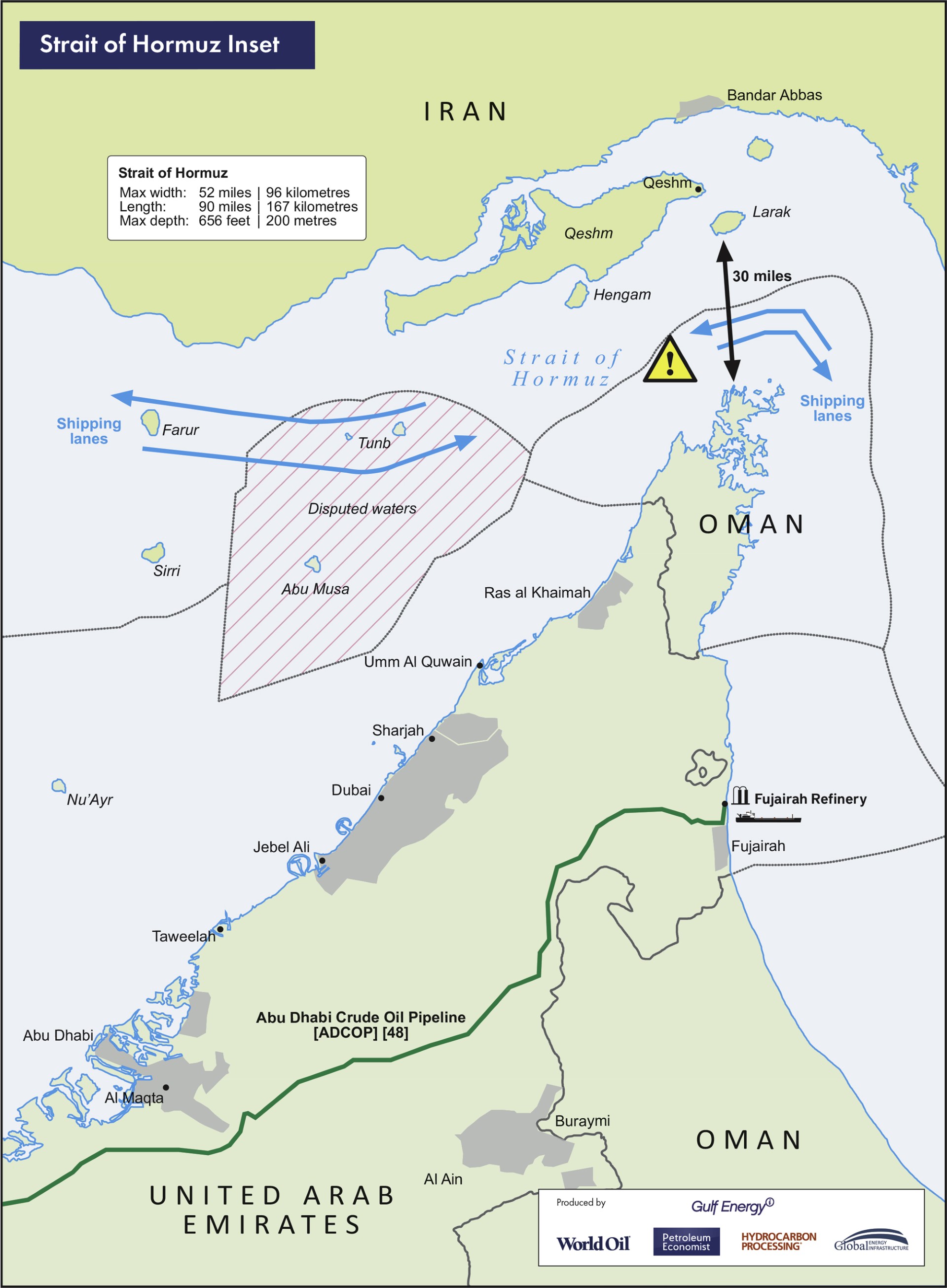
The renewed call reflects mounting concern within the Trump administration over a supply shock triggered by the Iran conflict and the effective closure of the Strait of Hormuz, a key transit route for roughly one-fifth of global oil and liquefied natural gas supplies. Combined with damage to regional energy infrastructure, the disruption has removed an estimated 16 million barrels per day from the market, driving a sharp increase in crude and fuel prices.
While U.S. production has already reached record levels, administration officials emphasized the opportunity to further increase output in the near term, citing strong price signals and the need to stabilize markets.
“They’re all leaning in because they’re getting a price signal that this is a time to invest,” Burgum said following the meeting.
However, industry response remains measured. Despite elevated prices, many producers are reluctant to significantly expand drilling activity amid uncertainty over how long the disruption will last. Futures markets continue to indicate lower prices in the months ahead, reinforcing a cautious approach to capital spending.
Executives instead pointed to structural constraints that could limit near-term production gains. Among the key issues raised were permitting delays, which can extend project timelines, and regulatory restrictions that affect operational flexibility.
Industry representatives highlighted the importance of permitting reform to accelerate development, particularly for new drilling projects. Some also suggested easing restrictions on natural gas flaring, which could enable additional oil production from wells lacking sufficient gas takeaway capacity.
Administration officials reiterated that they do not plan to impose restrictions on U.S. crude exports, a move widely opposed by industry participants, and confirmed there are no plans to pursue a windfall profits tax.
The discussion also touched on recent policy measures aimed at easing supply constraints, including a temporary waiver of the Jones Act to allow foreign vessels to transport crude and refined products between U.S. ports.
Officials have framed the current price surge as a short-term disruption, with Wright indicating that supply impacts are expected to last weeks rather than months. However, continued instability in the Middle East and uncertainty around the reopening of the Strait of Hormuz suggest that market volatility may persist.
Until global flows normalize, the administration is expected to continue urging domestic producers to play a larger role in offsetting supply losses and stabilizing oil markets.