Iran boosts oil revenue as sole exporter via Strait of Hormuz
(Bloomberg) - Iran is maintaining oil exports near prewar levels and capturing higher prices as disruptions in the Strait of Hormuz constrain shipments from other Gulf producers.
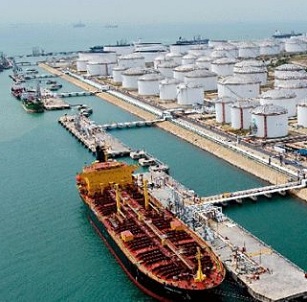
Exports are estimated at about 1.6 MMbpd in March, largely unchanged from before the conflict, with cargoes continuing to load at Kharg Island and transit the strait. That contrasts sharply with curtailed flows from regional producers, many of which have been forced to cut output or reroute shipments.
At the same time, Iran’s crude is benefiting from stronger pricing. Its flagship grade is trading at the narrowest discount to Brent in nearly a year, while benchmark prices have risen above $100/bbl. Together, these factors are boosting revenue despite ongoing conflict.
Iran is estimated to be generating roughly $139 million per day from sales of its main crude stream in March, up from about $115 million in February. The country is also collecting transit fees from some vessels crossing Hormuz, adding incremental income.
Satellite imagery indicates sustained export activity, with very large crude carriers regularly loading at Kharg Island. Iran has also shipped limited volumes from its Jask terminal outside the Hormuz chokepoint, although exports from that facility remain sporadic.
While Iranian exports continue largely uninterrupted, other Gulf producers have faced significant disruptions from attacks on energy infrastructure, including damage to refineries, ports and gas facilities.
The divergence underscores shifting supply dynamics in the region, with Iran maintaining its export flows and benefiting from higher prices as competing volumes remain constrained.
Map source: Global Energy Infrastructure