ConocoPhillips CEO warns supply losses, infrastructure gaps will drive higher oil prices
(WO) — “You just can’t take 8-to-10 MMbpd off the market, and 20% of LNG supply, and not expect instability,” ConocoPhillips Chairman and CEO Ryan Lance said on Tuesday at CERAWeek by S&P Global, underscoring the scale of the current supply shock hitting global energy markets.
Speaking in a leadership dialogue with S&P Global Vice Chairman Daniel Yergin, Lance said that current turmoil in the Middle East has rapidly shifted the industry outlook, turning earlier concerns about weaker conditions into a fundamentally tighter market.
“A month ago, what were headwinds in the industry have now become tailwinds—it’s a completely different scenario,” he said, adding that companies are now reassessing mid-cycle price expectations as markets recalibrate.
Even before the latest disruption, ConocoPhillips had taken a longer-term view that tightening supply would require higher prices to support investment. “We were pretty constructive on growing demand for a long period of time, and we have questions about where the supply is going to come from,” Lance said. “The mid-cycle price probably has to rise over time to incentivize those investments.”
On U.S. production, Lance said shale output is expected to continue growing modestly in the near term, supported by efficiency gains, but may begin to level off. “We’ll probably see 200,000 barrels or so of more production… but definitely trending towards a plateau, given the current market conditions” he said, noting that gains are increasingly driven by improvements in drilling, completions and reservoir targeting.
Lance also addressed concerns around U.S. LNG exports and domestic affordability, arguing that infrastructure—not resource availability—is the primary constraint. “It’s not a resource problem, it’s a connectivity problem,” he said, pointing to pipeline bottlenecks and permitting delays that limit the movement of natural gas to key demand centers.
Permitting timelines remain a major hurdle for project development, with Lance noting that large-scale projects can take longer to approve than to build. “It’s an industry where you can’t build infrastructure if it takes four or five years to get a permit,” he said, referencing delays tied to the company’s Willow project in Alaska.
Lance also struck a cautious tone on Venezuela, indicating that any return of large-scale investment will depend on significant fiscal and regulatory reforms, as well as resolution of longstanding financial disputes. ConocoPhillips is still seeking to recover $12 billion tied to the 2007 expropriation of its assets, which remains a prerequisite before committing new capital.
Despite near-term volatility, Lance said ConocoPhillips remains focused on long-cycle investments, including Alaska developments and LNG expansion, supported by what he described as a resource-rich portfolio in an increasingly supply-constrained world.
More exclusive CERAWeek coverage: CERAWeek Day 2: Alberta’s Danielle Smith emphasizes province’s potential
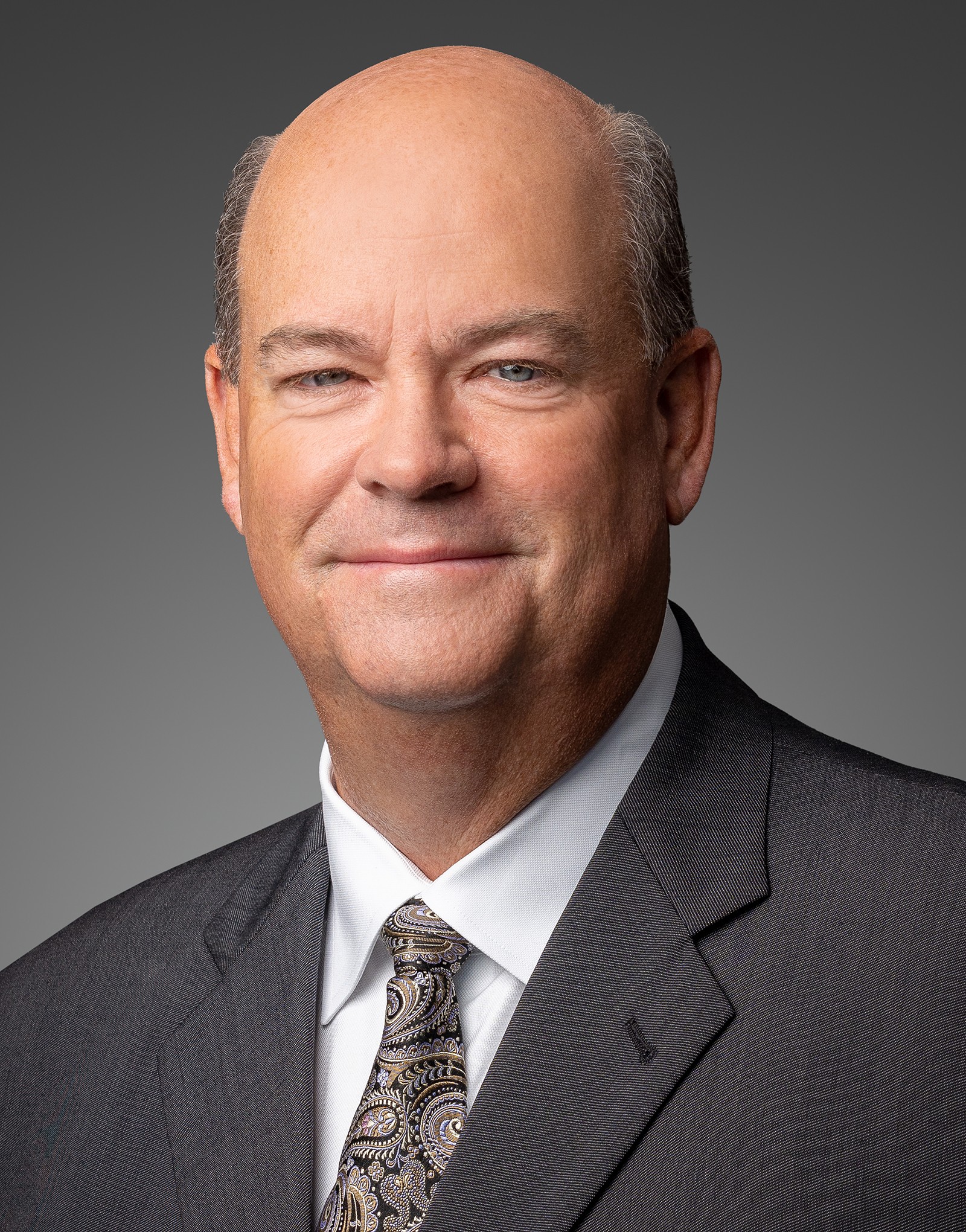
Top image: Ryan Lance, Chairman and CEO of ConocoPhillips (right), joins Daniel Yergin of S&P Global at CERAWeek in Houston to discuss supply shocks, LNG bottlenecks and the evolving global energy outlook. Image: S&P Global.