McDermott vessels earn ISO 50001 certification for offshore energy efficiency
(WO) - McDermott has achieved ISO 50001 certification for energy management across three of its offshore vessels—DB32, DB50 and DLV2000—marking an expansion of its efforts to improve operational efficiency and reduce emissions across marine construction activities.
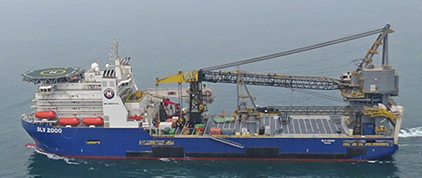
The certification, completed in 2025, follows earlier ISO 50001 accreditation at several of the company’s fabrication yards and extends standardized energy management practices into offshore operations. The vessels operate across a range of shallow-water and deepwater projects, where fuel consumption and equipment utilization are key drivers of both cost and carbon intensity.
ISO 50001 provides a structured framework for improving energy performance through continuous monitoring, data-driven decision-making and process optimization. As part of the certification, McDermott implemented vessel-specific energy management systems aligned with the standard’s “plan–do–check–act” methodology.
These systems include defined energy baselines, performance tracking and the integration of real-time monitoring tools to optimize fuel use and operational efficiency during offshore installation and construction campaigns. Internal assurance teams conducted audits, followed by third-party verification to confirm compliance.
The initiative reflects a broader industry focus on reducing emissions from offshore operations, particularly in energy-intensive activities such as heavy lifting, subsea installation and pipelay. Improving vessel efficiency can deliver measurable reductions in fuel consumption while supporting more predictable project execution.
McDermott said the certification enhances its ability to support customer decarbonization objectives while maintaining operational performance across complex offshore developments.
As operators and contractors continue to align project execution with emissions targets, standardized energy management systems are expected to play a growing role in improving efficiency across offshore fleets and reducing the carbon footprint of marine operations.