CERAWeek Day 1: Meeting energy needs in complex markets
(WO) - In its first few opening sessions, CERAWeek by S&P Global 2026, hosted in Houston, Texas, put forth a theme underlining the importance of energy supply in light of both persistent challenges and unexpected hurdles.
Energy Secretary Chris Wright. Daniel Yergin, chairman of CERAWeek by S&P Global 2026 and vice chairman, S&P Global, kicked off the conference under the broader theme of “convergence,” with comments about how the varied interests of energy producers and energy consumers can meet in the middle. His opening remarks were followed by a brief conversation with U.S, Secretary of Energy Chris Wright who, echoing previous years’ comments, stressed the importance of energy policy that supports the industry. In particular, Wright referenced the persistent issue of permitting and the process of approving projects and noted that despite efforts, the process for approval could still be improved.
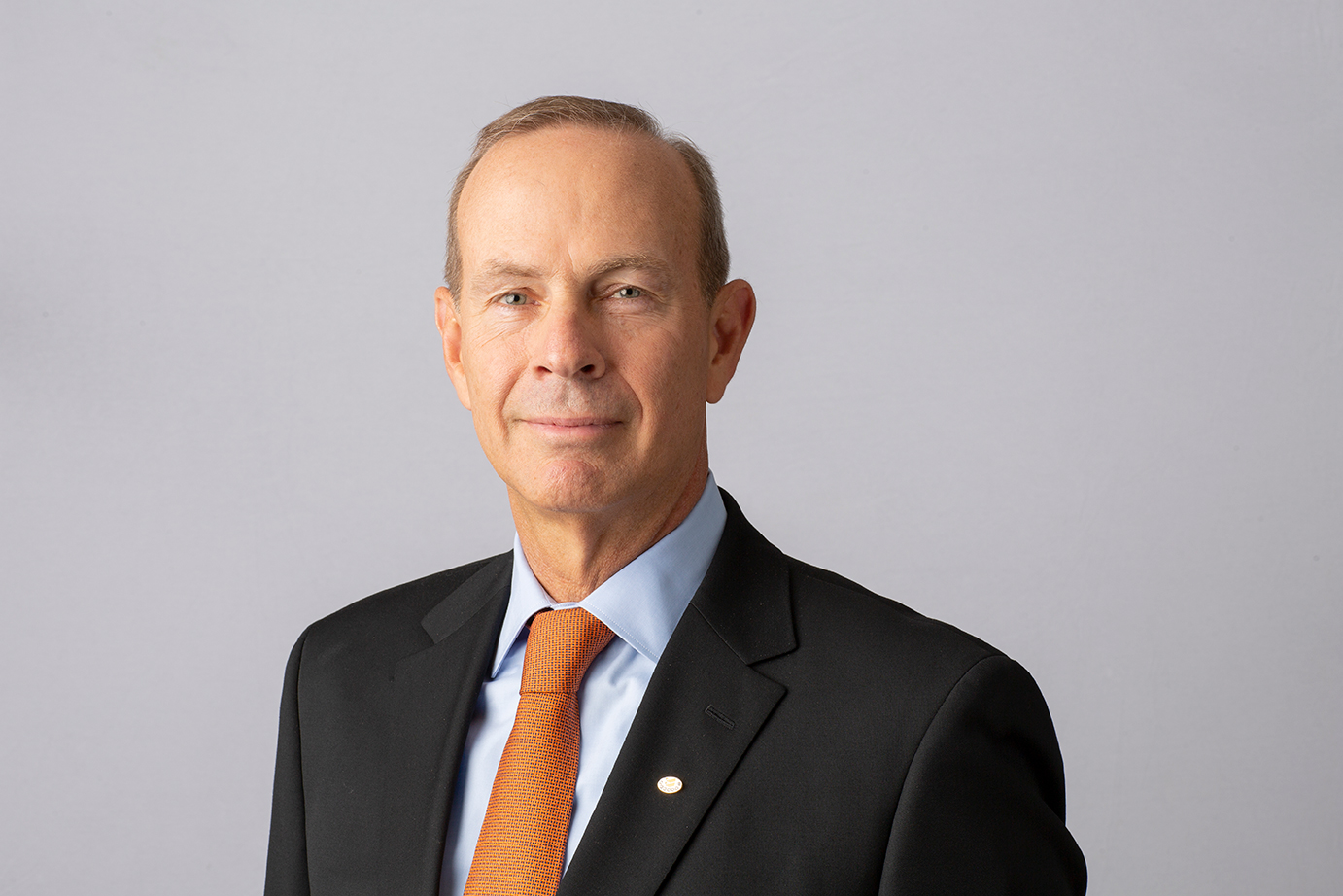
Chevron’s Mike Wirth. Another conversation that followed featured thoughts from Mike Wirth, Chairman and CEO of Chevron, who offered commentary on some of the recent geopolitical challenges facing the industry. “There are very real, physical realities of closing the Strait of Hormuz that aren’t fully priced into the market,” he noted, referring to the ongoing conflict in the Middle East that has halted the nearly 20% of global oil and gas supply that travels through the strait. Compared to market effects from the war in Ukraine, he pointed out, “under prior sanctions you just reallocate supplies [and] the middle men make money. We have a lot of oil and gas now that isn’t flowing into the market.”
Even so, Wirth highlighted that current circumstances will likely only accelerate the discussion on energy. “Now, with current concerns about energy supply…there’s going to be a more balanced conversation.” He pointed out that realistically, energy supply will involve diversified energy sources. “This is an engineering problem,” he noted, adding that policymakers and decision-makers need to, “let these technologies [i.e., coal, nuclear, gas] find their place in the system and not be forced in.”
A.I./machine learning. As with past years, A.I. and machine learning (ML) remained key topics of discussion at CERAWeek’s opening sessions, with an emphasis on oil and gas’ place in the larger picture. “Oil and gas is the only foundation for it,” Wirth stressed in his discussion. Given recent events, it’s no surprise that the frequent need to re-optimize an operator’s plan based on changing circumstances remains in the forefront, and with the application of A.I., per Wirth, “there’s a tremendous amount of time to be saved.”
More exclusive CERAWeek coverage: DOE’s Wright clarifies and expands on U.S. energy direction
Technology in other sectors also continues to advance, as Wirth noted, regarding Chevron’s Permian operations. “Every time they say [U.S. oil production] has peaked, and it’s over, technology advances,” he pointed out. “Over the past few decades, we’ve always intended to get the Permian to some scale…around 20 to 30 rigs.” However, thanks to advances in recovery and other technologies, Wirth noted that, “we’re down now to single digits of rigs,” all while increasing the oil produced. Quoting Secretary Wright, he emphasized that “energy is life,” and that demand for oil and gas is only going to grow—especially as technologies like A.I. continue to mature.