OEUK urges scrapping windfall tax to boost UK gas output, energy security
(Bloomberg) – Faster reform of the UK’s North Sea windfall tax could significantly cut reliance on LNG imports, the industry lobby group said, as war in the Middle East highlights energy supply vulnerabilities.
Scrapping the Energy Profits Levy and replacing it with a permanent price-triggered mechanism now — rather than in March 2030 — could unlock as much as £50 billion in investment and slow the decline in domestic gas production, Offshore Energies UK said.
That would cut LNG’s share of UK gas supplies to 6% by 2035, compared with 46% without reform, said Enrique Cornejo, OEUK’s policy director.
“The more domestic gas we produce, the less vulnerable we are and the less risk we have in terms of how international markets operate,” he said at a briefing on Wednesday.
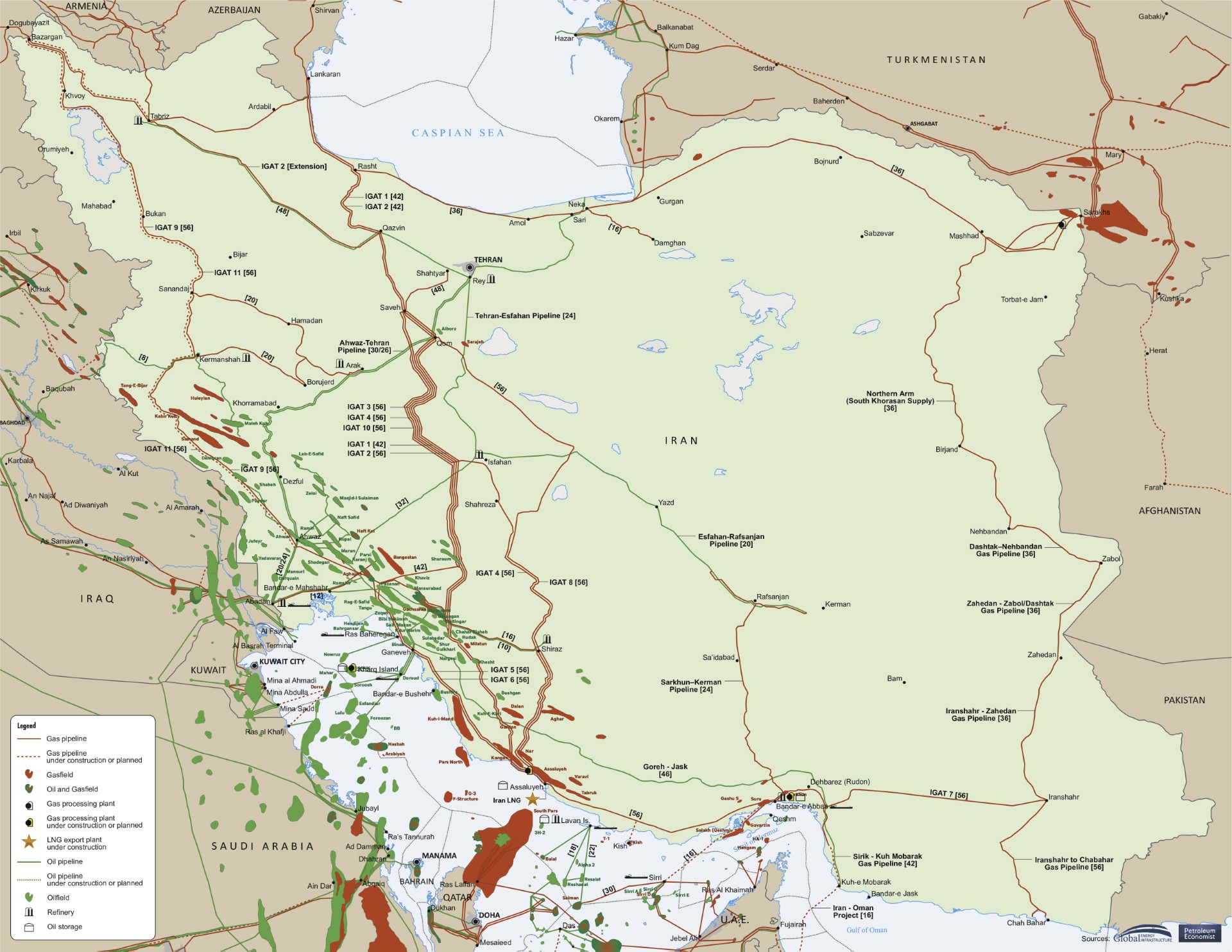
Now in its third week, the Middle East war has effectively halted traffic through the Strait of Hormuz and shut production at Qatar’s largest LNG plant, raising concerns across Europe over gas prices. On Wednesday, they surged after Iran listed regional energy assets it could target in response to U.S. and Israeli strikes on its upstream sector.
Oil and gas producers in the aging British North Sea have long urged the government to replace the EPL. Introduced by the previous Conservative government after Russia’s invasion of Ukraine drove up energy prices, the levy has since been extended and increased several times, pushing the headline tax rate to 78%.
The Green Party, which won a pivotal by-election last month, urged Prime Minister Keir Starmer to “tighten” the existing levy on oil and gas companies to help fund subsidies for household energy bills amid rising prices.