Oil markets on edge after Trump strike on Iran threatens Hormuz flows
(Bloomberg) - U.S. President Donald Trump’s strike on Iran has injected fresh geopolitical risk into global oil markets, threatening both Iranian production and the critical crude flows that transit the Strait of Hormuz.
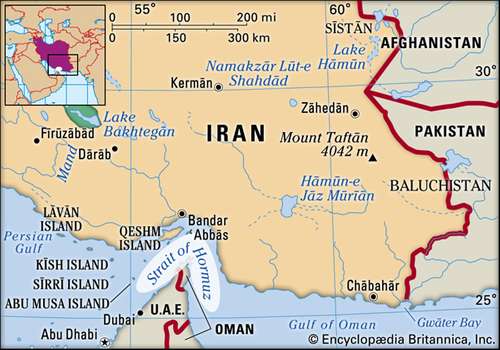
Iran produces more than 3 MMbpd — roughly 3% of global supply — ranking as OPEC’s fourth-largest producer. However, its strategic position along the Strait of Hormuz gives it influence far beyond its own output. The narrow waterway handles roughly one-fifth of global seaborne crude exports, along with significant volumes of refined fuels and liquefied natural gas.
In the days following the strikes, tanker traffic through the strait declined sharply. Ships reported hearing radio broadcasts claiming the waterway was closed, though Iranian officials later denied any formal shutdown. While a full closure of Hormuz would be unprecedented and widely viewed as a last-resort measure, even partial disruption or harassment of shipping could tighten global supply.
Several maritime security incidents have already been reported near the mouth of the Persian Gulf. Tankers were struck off the Omani coast, and commercial operators began rerouting or delaying shipments. LNG flows through Hormuz, particularly from Qatar, were reported to be significantly reduced.
The Strait remains the primary export route for Saudi Arabia, Iraq, Kuwait, Qatar and Bahrain. Alternative pipeline routes exist but provide only partial relief. Saudi Arabia can redirect up to 5 MMbpd via its East-West pipeline to the Red Sea, while the UAE’s Habshan-Fujairah line can carry about 1.5 MMbpd. Iraq’s northern export route through Turkey remains limited, meaning most of its southern crude exports depend on Hormuz transit.
Even with these alternatives, any sustained disruption would likely remove substantial volumes from global markets and drive prices higher.
See also: Oil tankers attacked near Strait of Hormuz as Iran conflict disrupts shipping
In anticipation of rising tensions, several Gulf producers accelerated exports in recent weeks. Saudi crude shipments averaged about 7.3 MMbpd in late February, the highest level in nearly three years. At the same time, OPEC+ agreed to resume output increases in April, adding 206,000 bpd, though spare production capacity remains concentrated largely in Saudi Arabia and the UAE.
Iran’s own production has risen to approximately 3.3 MMbpd from below 2 MMbpd in 2020, despite ongoing sanctions. Roughly 90% of its exports are believed to flow to China, often through a shadow fleet operating with transponders disabled.
The country’s primary export hub is Kharg Island in the northern Persian Gulf, which has handled more than 2 MMbpd in recent years. An explosion was reported on the island following the latest escalation, though no confirmed damage to export facilities has been disclosed. Any strike on Kharg Island would significantly impair Iran’s export capacity and deal a severe blow to its economy.
Iran’s largest oil fields are concentrated in Khuzestan province, while major gas processing and condensate facilities are located further south along the Persian Gulf coast. Previous regional conflicts have caused temporary market volatility but failed to trigger sustained price spikes when export infrastructure remained intact.
Oil markets have reacted sharply to the renewed conflict. Brent crude previously surged above $80/bbl during earlier Middle East escalations before retreating once infrastructure proved undamaged. Despite broader concerns about oversupply heading into 2026, crude prices have climbed roughly 19% this year amid rising geopolitical risk.
Analysts warn that while outright closure of the Strait of Hormuz remains unlikely, shipping harassment, GPS interference and limited maritime attacks could sustain a geopolitical risk premium in oil prices.
For now, markets are pricing in the threat of disruption rather than confirmed supply losses. The trajectory of tanker traffic through Hormuz — and the status of key export terminals — will determine whether the latest escalation becomes a temporary shock or a sustained supply crisis.
Read next: OPEC+ to boost oil production 206,000 bpd as Iran conflict threatens supply