Shell, partners assess $20-billion investment in Nigeria deepwater field
(Bloomberg) – Shell Plc and its partners in Nigeria are exploring how to develop a big oil field in the West African nation, a step that could one day see them invest $20 billion in the project, the oil major’s Chief Executive Officer said.
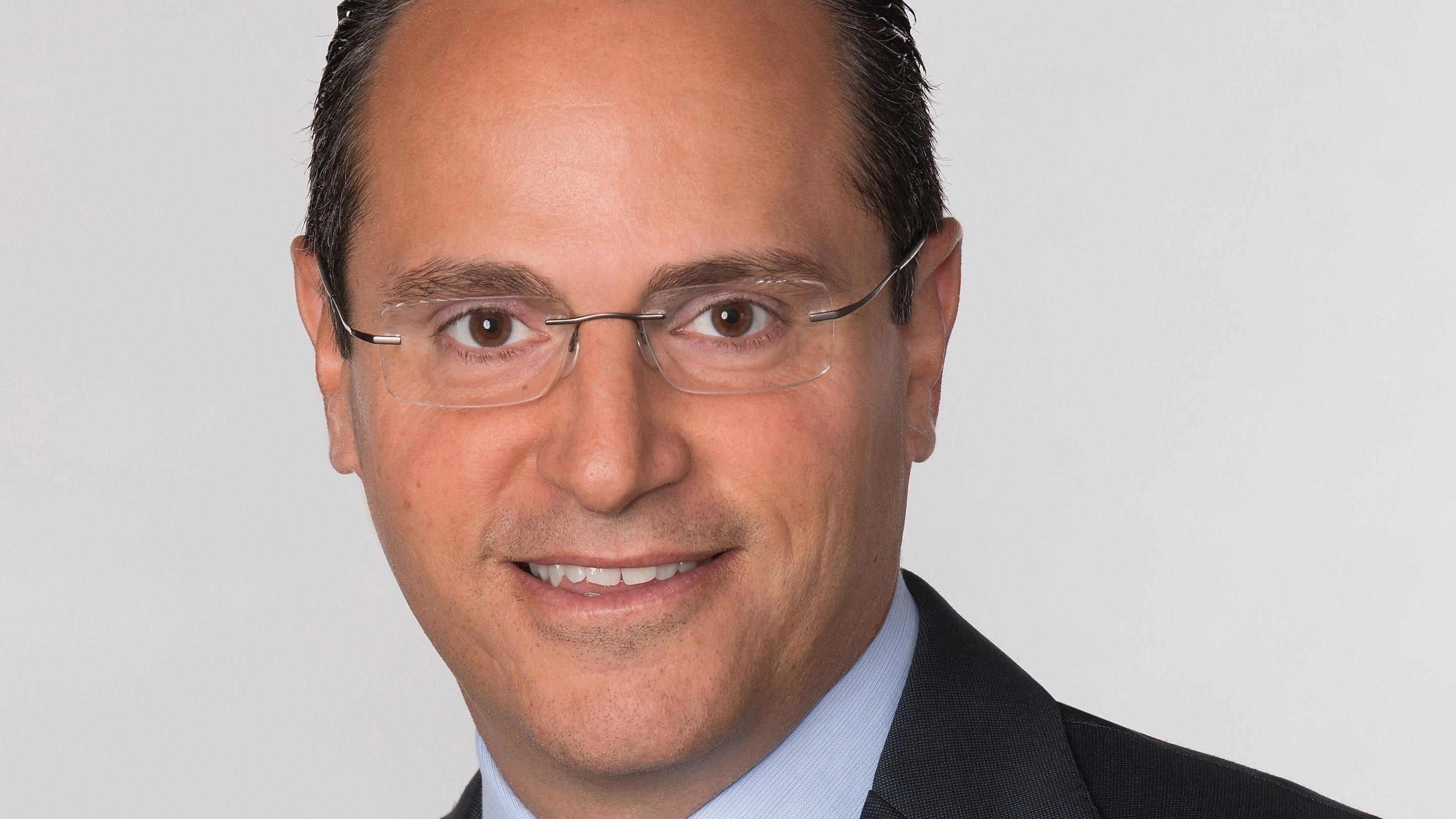
“We are indeed working on a project, Bonga South West, that could potentially, if we get to an FID stage, with the partners, invest around $20 billion foreign direct investment,” Shell Chief Executive Officer Wael Sawan said in a video shared by the country’s presidency. He said that it would be among the biggest energy projects in the world, adding that there are other investment opportunities in the country.
We are very keen to invest in Nigeria. But I'll say this hasn't always been the case. Your leadership has created an investment climate over the last few years that has propelled Shell to invest in Nigeria.
Bonga South West, located in deepwater in Nigeria’s oil producing Niger Delta, is estimated to have 820 MMbbl of reserves with a potential peak production capacity 220,000 bpd. Of the $20 billion, half would be capital, and the other half operating expenses and other expenditures that would go into the country, Sawan said in the video.
Besides Shell, which has the biggest stake in the field, the other partners are ExxonMobil Corp., TotalEnergies SE, Eni SpA and state-owned Nigerian National Petroleum Co.
Many of the world’s biggest oil companies focusing hard on capital discipline against a backdrop of lackluster oil prices, something that might work against making big new investments. At the same time, petroleum supply in future years looks less certain, creating a need for new sources of barrels.
“Our CEO Wael Sawan discussed various projects with President Tinubu, including Bonga South West, that could see us and partners potentially make future investment decisions,” a spokesperson for the major said by email on Friday. “We will continue to invest in our upstream business in a disciplined way, where the right opportunities arise.”
Shell paid $5.34 billion in taxes and other charges to Nigeria in 2024, more than to any other country. Its payments increased from the previous year and came as the oil and gas giant is on the verge of leaving Nigeria’s onshore production business after many decades of controversial operations.
Exiting onshore production in the Niger Delta — among Shell’s most emissions-intensive operations where the company is accused of causing widespread environmental pollution — is part of its effort to simplify its portfolio and “become a net-zero energy business by 2050,” the company has previously said.
Sawan said incremental incentives approved by Nigeria’s president have allowed Shell to get “line of sight to an investment in this project.” He assured that Shell will start the “pre-FID” on the project “looking over the next few months when we can take it to FID.”